
No guarantee on fuel price cap during Songkran
PUBLISHED : 30 Mar 2026 at 19:39

Uncertainty has emerged over whether fuel prices can be capped during next month’s Songkran holiday as the Oil Fuel Fund has fallen into a 42-billion-baht deficit.
During a daily briefing by the Centre for Monitoring the Situation in the Middle East at Government House on Monday, Veerapat Kiatfuengfoo, deputy permanent secretary of the Energy Ministry, alluded to the Oil Fuel Fund deficit when asked by reporters if the government would sustain a ceiling on fuel prices through the Songkran festival.
He explained that 1.3 billion baht needs to be paid in to the Oil Fuel Fund daily to maintain government subsidies on fuel prices before indicating the financial burden is expected to intensify in the near future.
Mr Veerapat did not answer if price caps would continue until the Songkran, the Thai New Year. He said the government might adjust the excise tax on oil to manage fuel prices and minimise impact on the public, especially during the Songkran festival when fuel consumption normally increases.
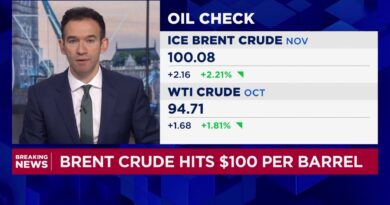
Supply constraints are continuing to exert pressure on prices, with Dubai crude exceeding US$120 per barrel on March 27, an increase of roughly 72% from pre-Middle East war levels. At times, the price has even surged above $200, reaching peaks near $240 per barrel, Mr Veerapat said.
On Monday, the retail diesel price was held at 38.94 baht per litre while gasohol 95 stood at 41.05 baht per litre.
The deputy permanent secretary said Thailand’s strategic oil reserves remain adequate at around 106 days. He noted however, that the estimation is based on purchased crude oil, fuel in transit and oil already in the nation’s fuel supply system.
He said that global oil markets remain highly volatile amid the conflict in the Middle East and although there are other crude sources, high competition among countries is driving up prices.
Source – Bangkok News