
Agency pursues growth through niche tourism
Thailand is aiming for 2.76–2.9 trillion baht in tourism revenue from both international and domestic markets in 2027, focusing on boosting high-spending and niche segments, according to the Tourism Authority of Thailand (TAT).
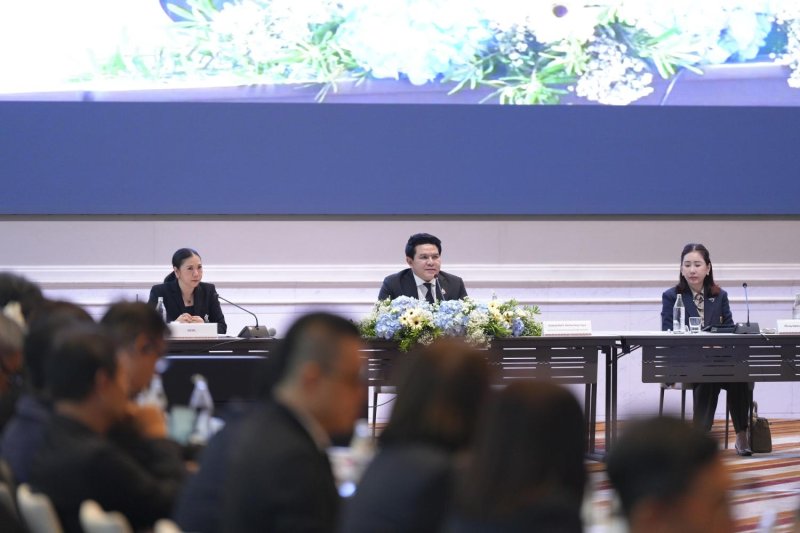
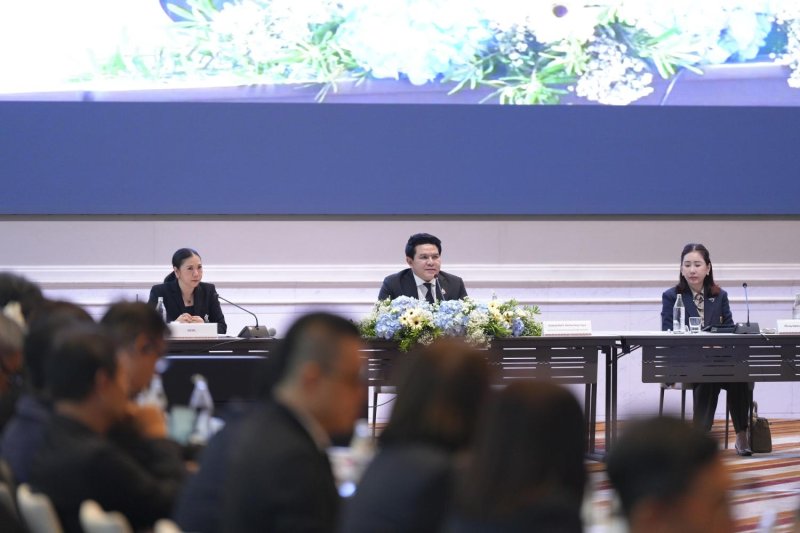
During the TAT Action Plan 2027 meeting on Monday, Tourism and Sports Minister Surasak Phancharoenworakul said the government remains focused on increasing tourism spending rather than relying solely on visitor numbers.
As tourism is now influenced by several factors, including geopolitics and international trade, he urged the TAT to respond more swiftly to keep pace with rapid changes.
The tourism revenue target will be maintained at 2.68 trillion baht this year, with 33 million foreign arrivals expected, he said.
TAT governor Thapanee Kiatphaibool said tourism revenue next year is expected to reach a minimum target of 2.76 trillion baht from more than 33 million arrivals.
In practice, revenue could reach 2.8–2.9 trillion baht if the number of high-spending visitors, who spend an average of 52,000 baht per trip, increases as planned.
At present, this segment accounts for less than 10% of total arrivals. The agency aims to increase its share by more than 10% annually from 2027.
It will focus on niche markets, such as meetings, incentives, conventions and exhibitions (Mice), sports enthusiasts, digital nomads, and health and wellness travellers.
There are also emerging markets with strong growth potential, particularly South Africa, Eastern Europe and Latin America, many of whose travellers have not visited Thailand before, unlike those from mature markets such as western Europe.
For the domestic market, the agency aims to stimulate 203 million trips next year by encouraging Thais to travel more frequently, to more than three trips per year on average, up from two trips per year at present.
Unlike foreign markets, the domestic market faces a critical challenge from a declining population, said Ms Thapanee.
Mr Surasak added that the government is also focusing on enhancing tourism safety.
These measures include eliminating nominee businesses and publicising accurate information about crimes or incidents occurring in Thailand, such as the recent bar fire in Lat Phrao on Sunday, which could affect travel sentiment.
He said Thailand must also adopt more proactive measures to attract tourists, such as holding direct discussions and strengthening collaboration with governments and private sector organisations in other countries.
Next week, Prime Minister Anutin Charnvirakul will visit China to discuss cooperation between Thailand and China, including trade and tourism, with the aim of restoring travel confidence among Chinese tourists.
Source – Bangkok News