
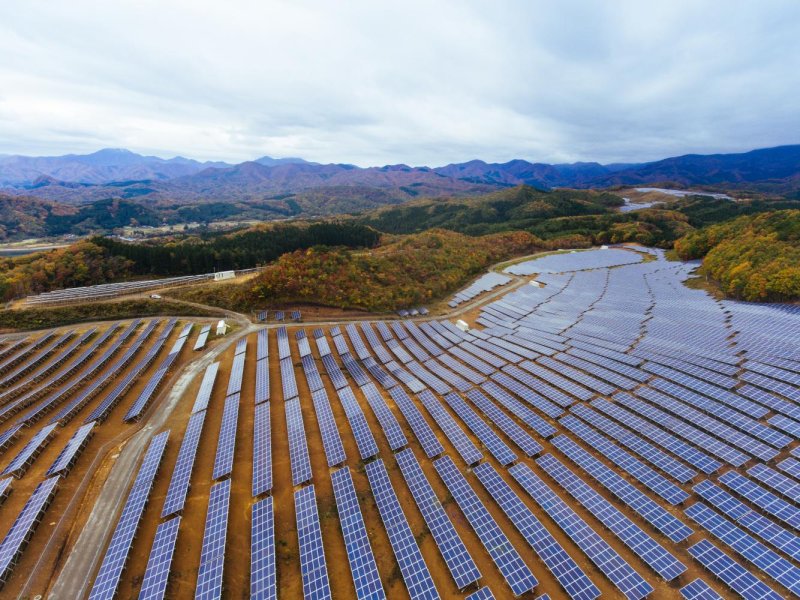
Gunkul targets rising AI power boom
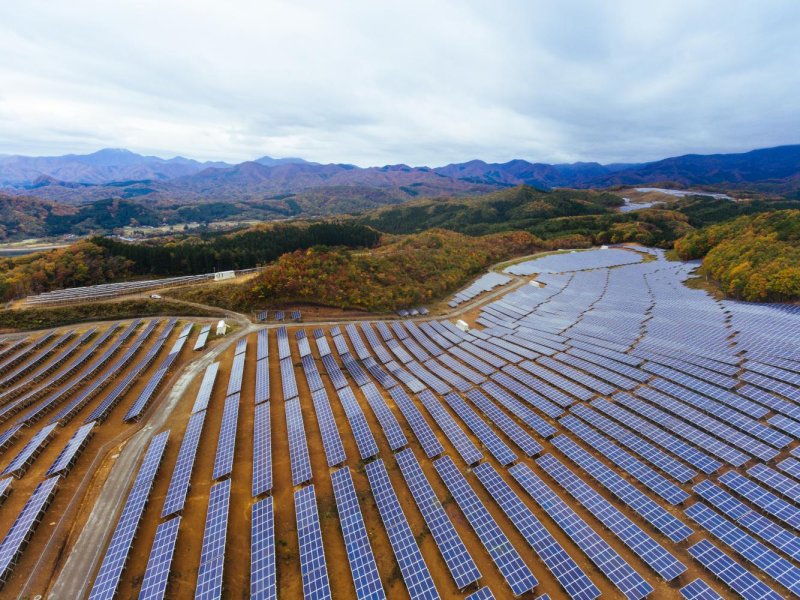
Gunkul Engineering Plc, a renewable energy developer and operator, has announced plans to forge new business partnerships aimed at supplying clean power to overseas investors in the artificial intelligence (AI) industry.
The initiative underscores Thailand’s ambition to position itself as a global hub for AI and its supporting infrastructure.
Chief executive Naruechon Dhumrongpiyawut said the company’s strategy builds on its core expertise in renewable energy, equipment trading, construction services and power plant operations.
These strengths will enable Gunkul to support foreign investors seeking sustainable infrastructure in Thailand’s growing AI sector, she said.
“Power supply from renewable resources is a crucial piece of the jigsaw in building the AI industry,” said Ms Naruechon.
The announcement comes amid a surge in investment applications to the Board of Investment. In the first quarter of 2026, proposals exceeded 1 trillion baht, marking a 2.4-fold increase year-on-year.
The bulk of this growth was driven by mega-projects in the digital and electronics industries, with data centres and cloud services accounting for 86% of the total investment value, reflecting the rapid expansion of the digital economy and rising demand for AI processing capacity.
Gunkul’s clean energy push aligns with its expansion in the Philippines, where the liberalised energy market allows the direct supply of renewable power to companies.
Ms Naruechon said this overseas venture is partly a hedge against potential delays in Thailand’s domestic energy market.
The company operates clean power plants in Japan and the Philippines, with plans to maintain two-thirds of its total generation capacity in Thailand and one-third overseas.
“We intend to draw on lessons from our operations in the Philippines and adapt them to Thailand, where the country is preparing to launch its first pilot direct PPA [power purchase agreement] scheme for data centres,” she said.
The direct PPA scheme for data centres enables renewable energy companies to sell electricity directly to corporate buyers, bypassing restrictions on peer-to-peer renewable power trading.
The Energy Regulatory Commission has outlined a 2-gigawatt capacity for the programme, which will eventually extend beyond the Eastern Economic Corridor to areas with sufficient renewable generation and transmission infrastructure.
The scheme initially targets foreign data centre investors before expanding to industries such as electronics, printed circuit boards and electric vehicles.
Meanwhile, Gunkul is preparing to increase its domestic renewable energy capacity by an additional 1,000 megawatts from wind and solar projects.
The company has secured land plots nationwide in line with the Energy Ministry’s draft power development plan, which prioritises clean energy expansion.
Source – Bangkok News