U.S. sanctions Iranian airlines in aim to tighten economic squeeze as war spreads, oil rises

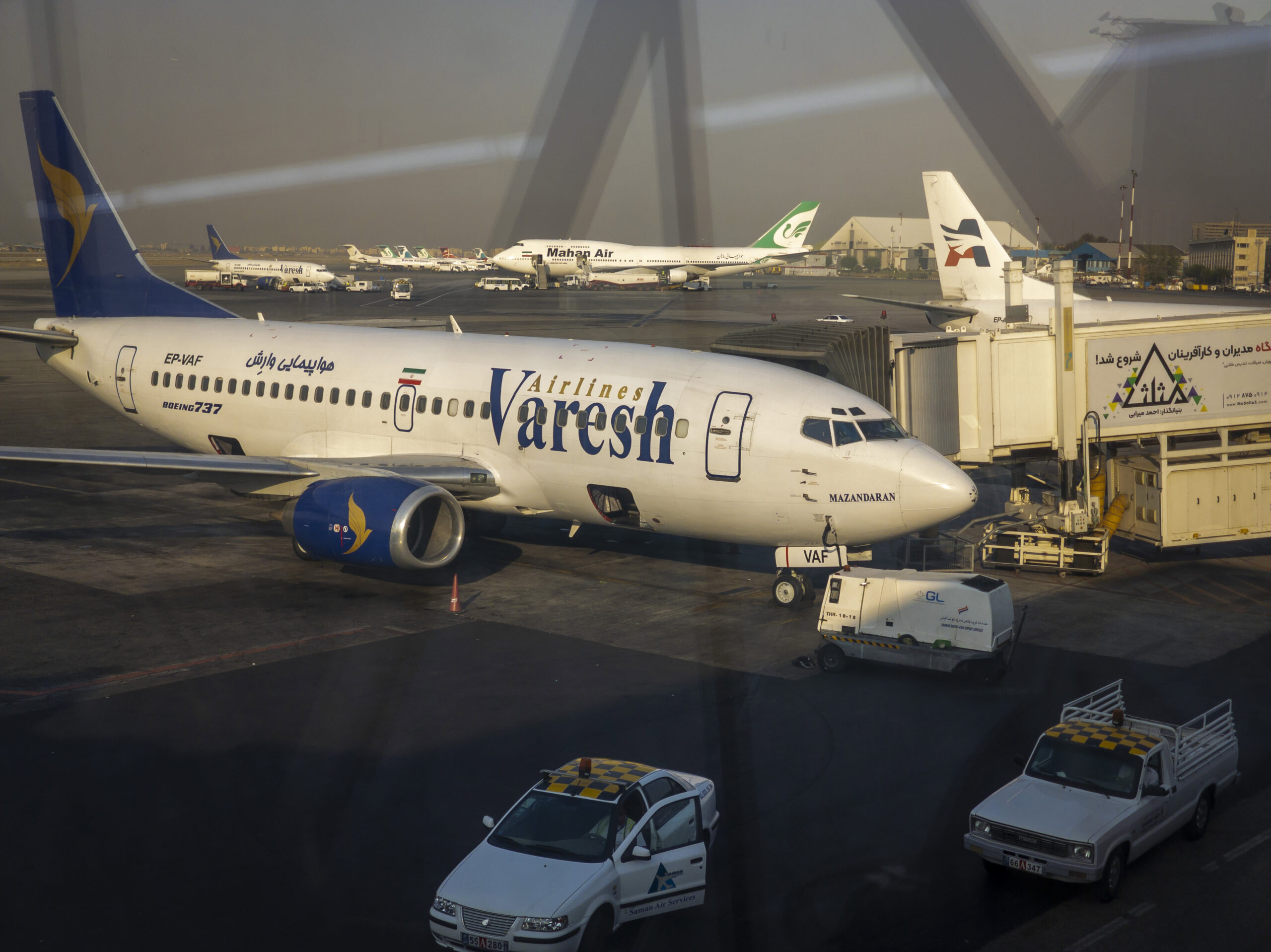
A Boeing 747 (top) belonging to the Iranian Mahan Air airline is photographed at Mehrabad Airport in western Tehran, Iran, on October 16, 2024.
Morteza Nikoubazl | Nurphoto | Getty Images
The Treasury Department on Tuesday sanctioned 27 Iranian airlines and a handful of other entities as part of its ongoing effort to isolate Iran’s economy.
The move comes as Tehran and its proxies continue to launch attacks in the Strait of Hormuz and the surrounding region, further entangling other countries in the U.S.’s more-than-six-month war and placing more pressure on global energy prices.
The latest U.S. action under “Operation Economic Outcast” targets all Iranian airlines that were not already facing sanctions.
“Let this be a warning to anyone doing business with Iran’s remaining airlines, all of which we sanctioned today: You are at risk of being cut off from the global financial system,” Treasury Secretary Scott Bessent said in a statement.
The plan to sever Iran’s economic lifelines followed on-again, off-again hostilities between the U.S. and Iran around the Hormuz Strait, a vital path for the world’s oil trade that has become a main choke point during the war.
Iran’s continued ability to limit ship traffic through the strait has contributed to rapidly rising oil prices, giving it a continued source of leverage that has kept the war in a sort of stalemate for months.
President Donald Trump insists the U.S., not Iran, is in control of the waterway, and his administration has pushed back on reports from ship-tracking firms that crossings through the waterway are far below prewar levels.
The conflict increasingly threatens to expand beyond the strait: Iran-backed Houthi militants in Yemen attacked multiple energy facilities in Saudi Arabia on Tuesday, forcing a temporary halt to some operations.
Oil prices jumped, with Brent crude futures cresting above $99 per barrel and U.S. West Texas Intermediate futures rising nearly 2% at session highs.
The Trump administration sanctions plan unveiled Aug. 24 was hyped as Iran’s “Economic D-Day,” but it has so far resulted more in broad threats than concrete actions. The administration also has yet to tangibly pressure China, Iran’s top trade partner and oil buyer, to cut off Tehran. Trump and Chinese leader Xi Jinping are due to meet in Washington later this month.
In late August, Treasury targeted the United Arab Emirates branch of an Egyptian bank over its financial ties to Iran.
On Friday, the department sanctioned Turkey’s 35th-largest bank, according to TheBanks.eu.
Tuesday’s sanctions build on a previous authorization to target entities involved in Iran’s aviation sector, as well as a prior designation against Mahan Air, which has been “really supporting Iran’s terrorist activity for a number of years,” a Treasury official said in a press call Tuesday, speaking on condition of anonymity to preview the new sanctions.
The U.S. is also effectively ending all aviation-related licenses that authorized U.S. firms or other entities to engage with Iran, the official said.
While Iran is widely viewed to be facing a major economic crisis that includes soaring inflation rates and plunging oil export totals, it is unclear how much more pain the new sanctions are expected to inflict.
When CNBC asked on Tuesday’s press call for evidence in the Iranian economy to show the pressure campaign is working, the Treasury official said there is anecdotal evidence and other information that can’t be publicly shared but did not provide specifics.
Source – CNBC