
‘Super’ El Niño could cause 451,000 excess deaths: research
Nearly 20,000 more deaths feared across Thailand, Vietnam, Cambodia and Philippines due to El Niño
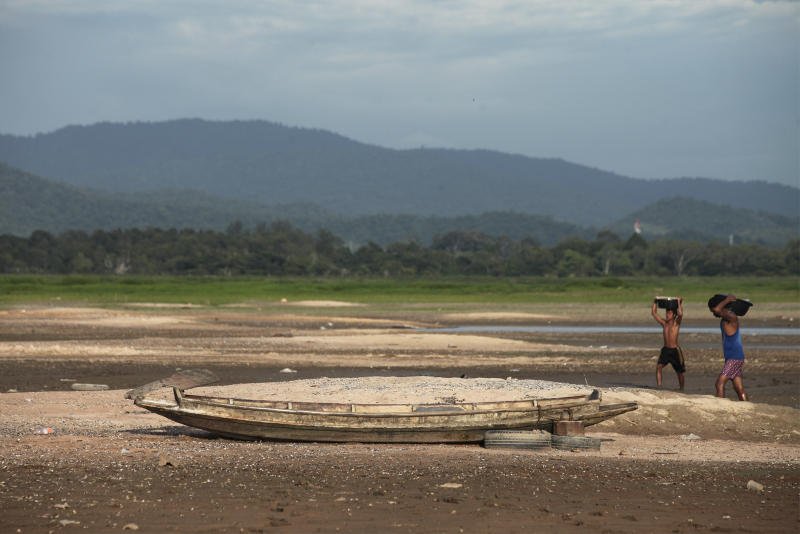
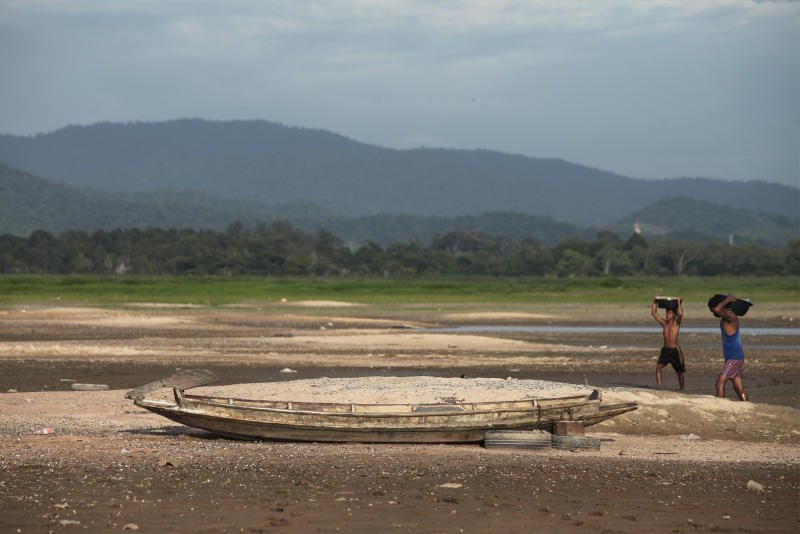
SINGAPORE — Extreme heat caused by this year’s “super-El Niño” could result in as many as 451,000 excess deaths across the globe in the six months through February 2027, researchers with the University of Chicago’s Climate Impact Lab said on Wednesday.
The number of extremely hot days is likely to rise by 44% compared to normal years, Climate Impact Lab said in a report.
The country likely to suffer the most excess heat-related fatalities from September 2026 to February 2027 is Nigeria with 31,400, followed by Indonesia with 19,300 and Sudan with 17,600.
Heat in Africa’s Sahel region, including Niger and Chad as well as Nigeria and Sudan, is likely to cause an additional 66,800 deaths over the six-month period.
The researchers project Thailand, the Philippines, Vietnam and Cambodia to see an additional 19,400 deaths combined.
The number of excess deaths could even climb higher if El Niño extends further into 2027, with key areas of the northern hemisphere, including India and Pakistan, especially vulnerable during their summer months.
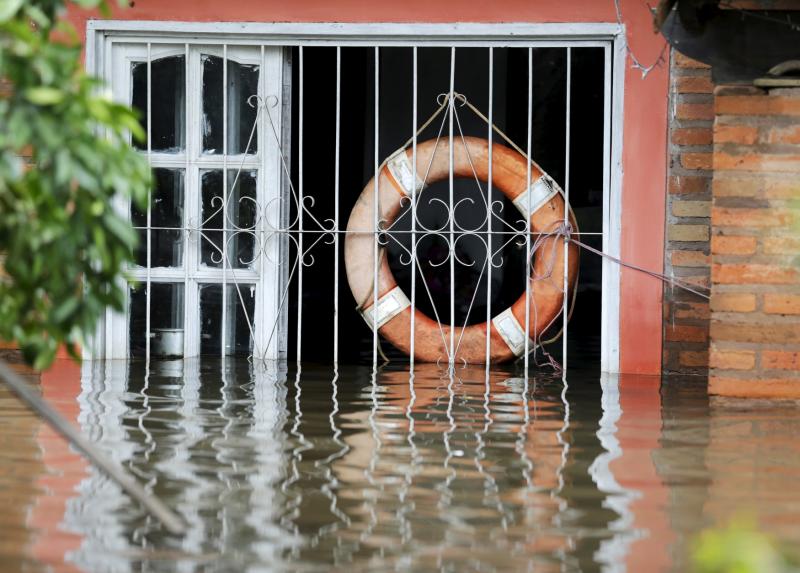
A lifebuoy hangs from a window in a flooded house in Asuncion on Dec 27, 2015. (File photo: Reuters)
Climate Impact Lab described this year’s El Niño as a “postcard from the future”, delivering temperatures that will become normal in just a few decades.
It said emergency response efforts should be directed to high-priority regions to tackle heat-related mortality in the coming months.
“This report allows decision makers to see exactly where emergency actions can be taken now to save tens of thousands of lives in the coming months,” said Michael Greenstone, economist at the University of Chicago and co-founder of the lab.
The strengthening El Niño weather pattern has reached a record intensity, with its effects already being felt from Central America to Indonesia, Zeke Hausfather, a climatologist at Berkeley Earth and co-author of United Nations (UN) climate reports, said on Monday.
Sea surface temperatures in the tropical Pacific were 3.07°C above normal, matching the level recorded during the 2015-16 El Niño, the senior scientist added.
Source – Bangkok News