
Indonesia eyes China for massive 2,772km railway project – with caution
Indonesia is considering Chinese investment to help build a massive 2,772 kilometre railway network through the vast, resource-rich region of Kalimantan, following the completion of Southeast Asia’s first high-speed line between Jakarta and Bandung, state media and analysts said.
However, analysts noted that any future commercial agreements were likely to be negotiated cautiously, given the financial strains that dogged the high-speed line and the challenges that stalled a proposed underground metro project in the congested tourist province of Bali.
The Indonesian government was “exploring” potential foreign investment to build the Trans-Kalimantan railway network, according to statements from Transportation Minister Dudy Purwagandhi quoted by Indonesia’s official Antara news agency. The minister said China and Russia had expressed interest in the project.
“I think China can offer Indonesia a complete railway ecosystem, including financing, engineering expertise, technology and experienced personnel,” said Siwage Dharma Negara, an Indonesian national and senior fellow with the ISEAS – Yusof Ishak Institute in Singapore.
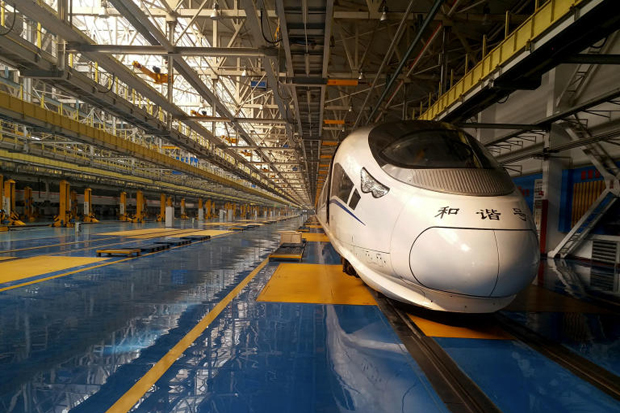
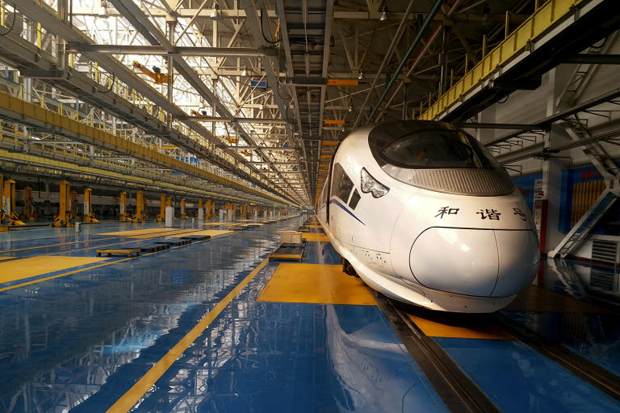
Negara noted that the 142.8km “Whoosh” high-speed railway, built by Chinese state contractors on the densely populated island of Java, had already “proven China’s strong engineering capabilities”.
The proposed Trans-Kalimantan network would seek to connect disparate areas across the region, which is Indonesia’s portion of the island of Borneo, as part of long-term expansion plans through 2045. The mineral-rich territory is home to Nusantara, the country’s planned new capital, but lacks an operational public railway network.
David Feng, an independent railway specialist, said Chinese contractors could draw on extensive experience working across diverse domestic terrains, giving them an edge over competitors from smaller countries while probably costing less.
“China has done it all over its own country, so geology-wise they’ve got it all,” Feng said. In Indonesia, he noted, “they might have far more humidity, unstable terrain, stuff like that.”
Feng added that he expected China to export an integrated supply chain of railway contractors to Indonesia, from feasibility study researchers to railway builders.
However, the legacy of Whoosh could give state planners pause. The line racked up billions of US dollars in debt amid cost overruns and delays, raising concerns about future infrastructure investments backed by China.
Negara called Whoosh’s construction a “cautionary story about project financing” that could prompt officials in Jakarta to negotiate more carefully over who bears commercial risks from future ventures.
Paramitaningrum, an international relations lecturer at Bina Nusantara University in Jakarta, said the Kalimantan project also posed significant logistical hurdles, describing it as “high risk in terms of geographical position, technical and financial matters”.
“If Chinese investors are involved, do they use the same methods as in developing Whoosh? Can they finish this project on time with good quality?”
Beijing, meanwhile, has adjusted its broader international strategy. After years of heavy overseas lending to developing countries, China began tightening its approach to financing infrastructure projects under the Belt and Road Initiative around 2020, including a shift towards smaller projects, according to a report by the Green Finance and Development Centre at Fudan University.
In another cause for concern, Bali abandoned plans for a US$20 billion underground metro system that broke ground in 2024, the online information platform Bali Discovery reported in August.
The China Railway Construction Corporation (CRCC), which helped build the Whoosh line, partnered with local firms for the project. While cancelled and downgraded projects are not new to Chinese railway contractors, Feng observed that “obviously it does have an effect (on CRCC)”.
A spokesman for Indonesia’s Directorate General of Railways, the national railway regulator and planner, told the South China Morning Post on Saturday that Bali was instead moving towards an electric autonomous rail rapid transit system, with the country’s main state-owned railway operator conducting an initial study with “relevant stakeholders”.
The spokesman did not specify whether Chinese contractors could help build the transit system.
Source – Bangkok News