Education award recipients share innovative ideas
Teachers from 13 countries saluted at conference presided over by HRH Princess Sirindhorn
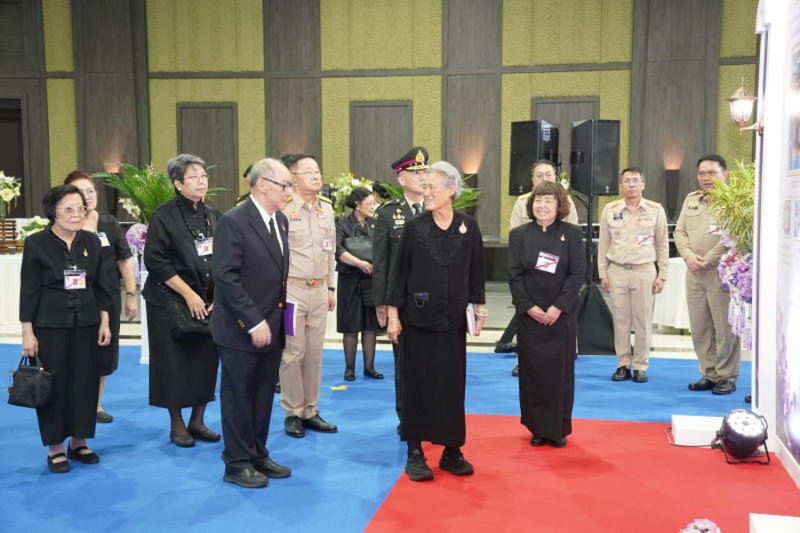
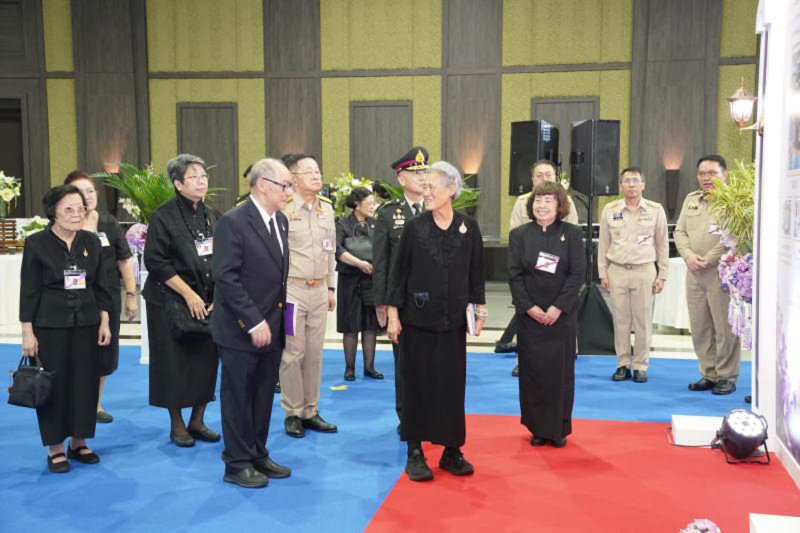
Recipients of this year’s Princess Maha Chakri Award showcased their innovative approaches to education at a recent international conference presided over by Her Royal Highness Princess Maha Chakri Sirindhorn.
Their presentations covered a range of topics, including artificial intelligence, inclusive learning and disaster recovery.
The Princess opened the 6th Princess Maha Chakri Award Forum and the 4th International Conference on Educational Equity at Muang Thong Thani in Nonthaburi on Wednesday.
Held under the theme “Empowering Teachers for the Future: Balancing Foundational Skills, Humanity and AI Competencies”, the event attracted about 1,200 educators, diplomats and representatives of international organisations.
Education Minister Prasert Jantararuangtong said the conference provided a platform for award-winning teachers to exchange experiences, share teaching practices and strengthen educational cooperation.
Princess Maha Chakri Award Foundation chairman Krissanapong Kirtikara said the biennial forum aimed to help teachers adapt to contemporary educational challenges.
During the event, award recipients from 13 countries showcased their approaches.
Shahrifah binti Haji Mohd Shahlan of Brunei highlighted student-developed innovations, including cafeteria food-ordering and landslide-warning applications. Her students have produced 30 prototypes.
Phaiwan Yapan, from Ban Lai Wo School in Kanchanaburi, described using forests as outdoor classrooms to teach marginalised children about local wisdom and environmental conservation.
He also outlined plans to develop educational materials, organise learning camps and establish an education fund for disadvantaged children.
Uyanga Adiyasuren of Mongolia used her award money to establish a coffee shop where students with special needs could develop vocational skills and financial independence.
Ade Putri Sarwendah of Indonesia described programmes combining arts and agricultural activities to help students with special needs develop practical skills, confidence and greater independence.
Meanwhile, teachers from Laos, Malaysia and Myanmar shared experiences of maintaining educational opportunities and restoring learning facilities following natural disasters.
Nguyen Thi Thu Lan of Vietnam highlighted smart classrooms incorporating AI and play-based learning for young children.
The presentations underscored the importance of equipping teachers with technological skills while preserving the human connections and practical learning experiences essential to students’ development.
Source – Bangkok News