
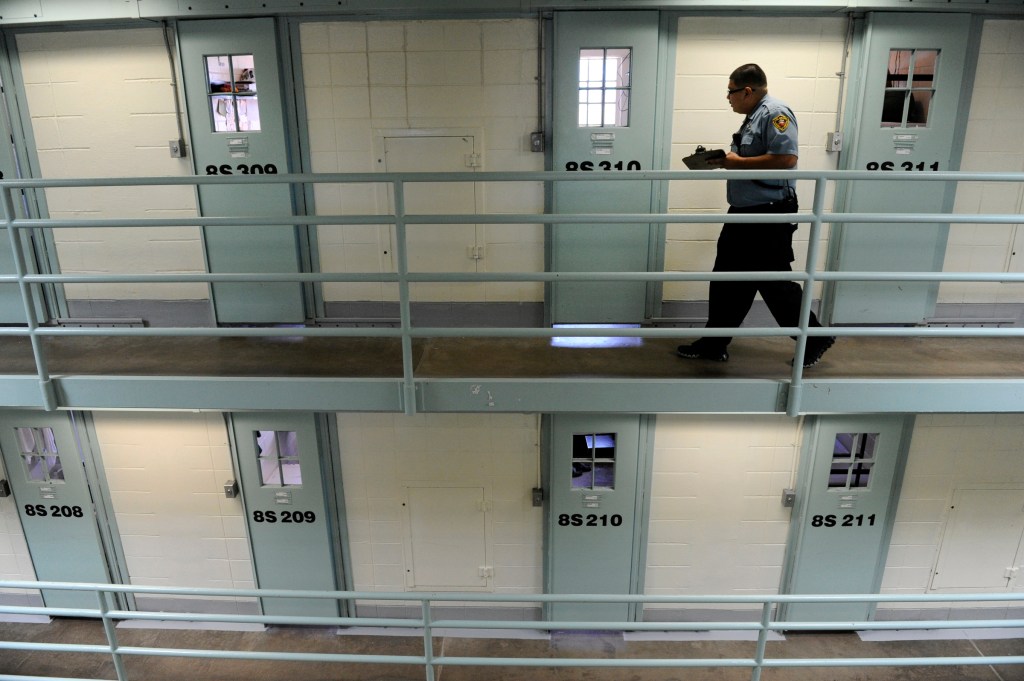
Coerced Colorado prison labor amounts to involuntary servitude, judge rules

Colorado Department of Corrections officials forced inmates to work prison jobs through coercion that ultimately amounted to involuntary servitude, a Denver judge ruled Friday.
The state’s prisons unconstitutionally coerced labor by levying severe punishments — including solitary confinement — against prisoners who refused to work, Denver District Court Judge Sarah Wallace found in the 61-page ruling.
“By creating a framework where failure to work triggers a sequence of restrictions that culminate in a more restrictive ‘custody level’ and physical isolation, CDOC has established a system of compulsion that overrides the voluntariness of the (prisoners’) labor,” Wallace wrote.
The ruling comes out of a 2022 lawsuit in which state prisoners claimed the Department of Corrections’ approach to prison labor amounted to involuntary servitude or slavery, which Colorado voters outlawed in 2018 via Amendment A.
The lawsuit, which went to trial in October, was brought by Towards Justice, a nonprofit law firm headed by David Seligman, a candidate in the 2026 race for Colorado attorney general.
Prisoners in Colorado are expected to work prison jobs, which include food preparation, janitorial services and other positions within their facilities. They are paid well below minimum wage for the work. They can choose not to work, but doing so is a disciplinary infraction for which prisoners are punished, according to court filings.
State attorneys argued during the October trial that prisoners’ labor was voluntary, and that punishments for failing to work, while “uncomfortable,” did not rise to the level of coercion legally required to constitute involuntary servitude.
Wallace found that the punishments for failing to work included the “threat and use of segregation and isolation,” and that officials kept prisoners isolated in cells for more than 22 hours a day.
The judge ordered the Department of Corrections to stop using solitary confinement that lasts longer than three days to punish prisoners for failing to work, and to stop stacking disciplinary infractions related to failure to work to increase the severity of possible punishments. The order will take effect in 28 days to allow state officials time to appeal.
“The machinery of coercion is not isolated, but is a pervasive and actively operationalized feature of CDOC’s labor management,” Wallace wrote. “By consistently applying these policies, CDOC ensures the threat of punishment remains a credible and ever-present driver of inmate labor.”
Lawrence Pacheco, a spokesman for Attorney General Phil Weiser, said Weiser was reviewing the court’s ruling. He declined to comment further.
Representatives for the Department of Corrections did not immediately return a request for comment Monday.
Sign up to get crime news sent straight to your inbox each day.
Source – Indonesia News