Germany losing enthusiasm for European fighter jet plan
BERLIN – Germany does not need the same new fighter jets as France, Chancellor Friedrich Merz said Wednesday, signalling that Berlin could abandon a flagship joint defence project for Europe.
“The French need, in the next generation of fighter jets, an aircraft capable of carrying nuclear weapons and operating from an aircraft carrier,” Merz said on the German podcast Machtwechsel.
“That’s not what we currently need in the German military,” he said.
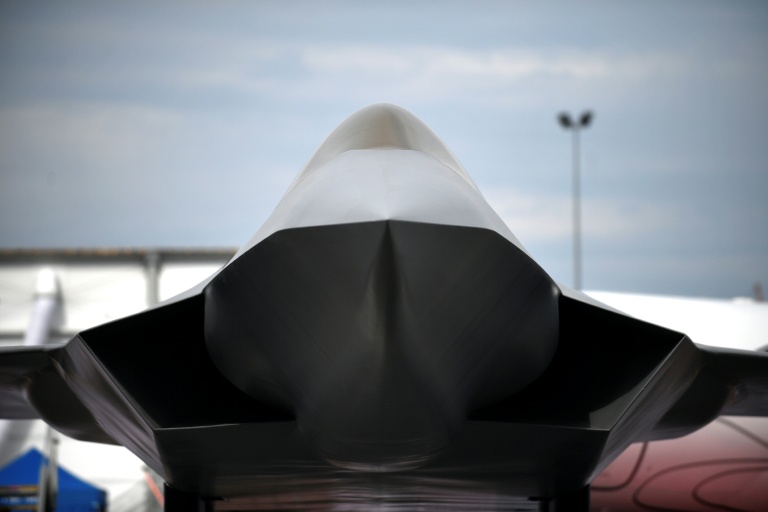
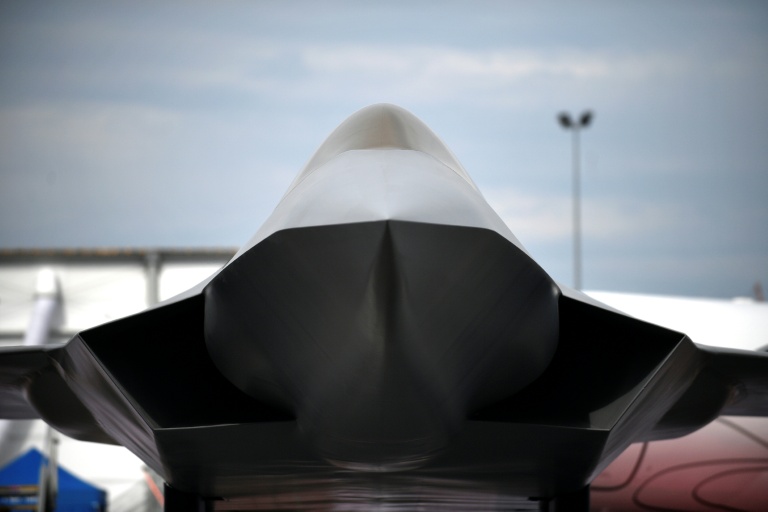
The Future Combat Aircraft System (FCAS) project was launched in 2017 to replace France’s Rafale jet and the Eurofighters used by Germany and Spain, to come into service around 2040.
But the scheme, jointly developed by the three countries, has stalled in the past year as France’s Dassault Aviation got into disputes with Airbus Space and Defence over control of the project.
The office of French President Emmanuel Macron said in response that he “remains committed to the success” of the project.
“The military needs of the three participating states have not changed, and these needs included from the outset French [nuclear] deterrence as well as the other missions of the future aircraft,” the Elysee Palace said in a statement while Macron was travelling in India.
“Given the strategic stakes for Europe, it would be incomprehensible if industrial differences could not be overcome, especially as we must collectively demonstrate unity and performance in all areas concerning its industry, technology, and defence,” it added.
Discord over FCAS has stoked concerns that French-German ties are under strain, following recent disagreements on defence spending and on French efforts to derail an EU trade deal with the Mercosur bloc of South American countries.
Germany’s foreign minister sought on Wednesday to shut down talk of worsening relations with France, telling AFP that Paris remains Berlin’s “closest partner and most important friend in Europe”.
Failure to get FCAS off the ground would also be a blow to broader efforts by European NATO allies to demonstrate tight defence cooperation in the face of threats from Russia and doubts about American security commitments.
‘At odds’
Airbus is Germany’s lead contractor for FCAS, while the Spanish defence contractor Indra Sistemas is also involved with the roughly 100-billion-euro ($118 billion) FCAS project.
Merz had previously promised a decision on FCAS by the end of last year but postponed making the final call.
Merz said on the podcast that France and Germany were now “at odds over the specifications and profiles” of the kind of aircraft they needed.
“The question now is: do we have the strength and the will to build two aircraft for these two different requirement profiles, or only one?” he asked.
If this issue is not resolved, he said Germany would “not be able to continue the project”, adding that there were “other countries in Europe” ready to work with Berlin.
For Germany and potentially Spain, several other options have been floated by industry sources and in media reports, most prominently a partnership with Swedish aerospace firm Saab.
The FCAS project was launched with fanfare in 2017 by Macron and Germany’s then-chancellor Angela Merkel, with Spain joining two years later.
The plan envisions not only a fighter jet but an interlinked drone swarm and a digital cloud system.
German industrial interests and some politicians have bristled at Dassault’s alleged efforts to revise FCAS agreements and take greater control of the aircraft portion of the project.
The powerful IG Metall industrial trade union, which represents many Airbus workers in Germany, has joined with German aerospace industry leaders to back a split with France.
Juergen Kerner, IG Metall’s vice president, joined German Aerospace Industries Association president Marie-Christine von Hahn last week in urging Berlin to find new partners on the fighter jet.
Building separate jets could make military sense because of France’s very particular requirements, but would almost certainly hike overall costs.
Dassault CEO Eric Trappier has insisted that his company can develop a fighter jet alone.
But the costs could put the French government’s already strained budget under further pressure.
Germany, on the other hand, has launched a massive military investment programme with vows from Merz to build Europe’s largest conventional armed forces.
Source – Bangkok News