PM warns fuel may be expensive, in short supply
More relief measures will be implemented, says Anutin
PUBLISHED : 6 Apr 2026 at 22:39
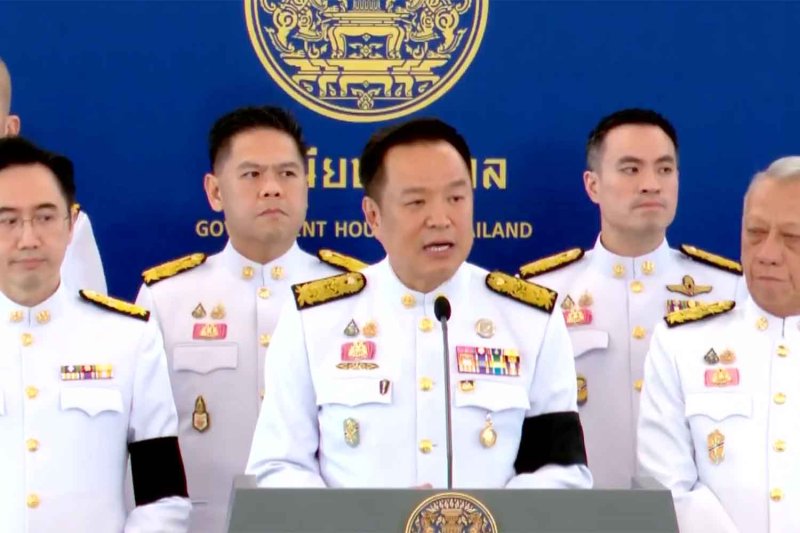
The government will cut fuel and electricity prices through price restructuring, though supplies may remain costly and occasionally tight, Prime Minister Anutin Charnvirakul said late Monday night.
Mr Anutin made the statement after the first meeting of his newly appointed cabinet, which attended a swearing-in ceremony before Their Majesties the King and Queen earlier in the evening.
“The government will adjust fuel and electricity price structures to bring costs down, and there will be other measures to help the people,” the prime minister said.
“Fuel and related products may remain expensive and insufficient. The government will try its best to cushion the impact,” Mr Anutin said.
The prime minister said the government will soon implement other relief measures, including a co-payment scheme, discounted consumer goods and soft loans for farmers, small and medium-sized enterprises (SMEs) and the industrial sector.
He also promised to cut government spending to support the public during the crisis.
“We are facing a global crisis and we will get through it. I would like the people to cooperate,” the prime minister said, attributing the crisis to the ongoing war in the Middle East.
The war has damaged petroleum and chemical production facilities in the region, and repairs could take time after the end of the war, he said.
“The shortfall in fuel and gas supplies in the Middle East has made it more difficult to source them elsewhere. The government chooses to announce this fact so that the people will understand and are ready to adjust and cope with the situation,” Mr Anutin said.
Mr Anutin said that about half of Thailand’s oil imports normally come from the Middle East, and the war in the region has driven up prices of energy, fertiliser and plastic pellets. The situation is having a global impact, he added.
Source – Bangkok News