
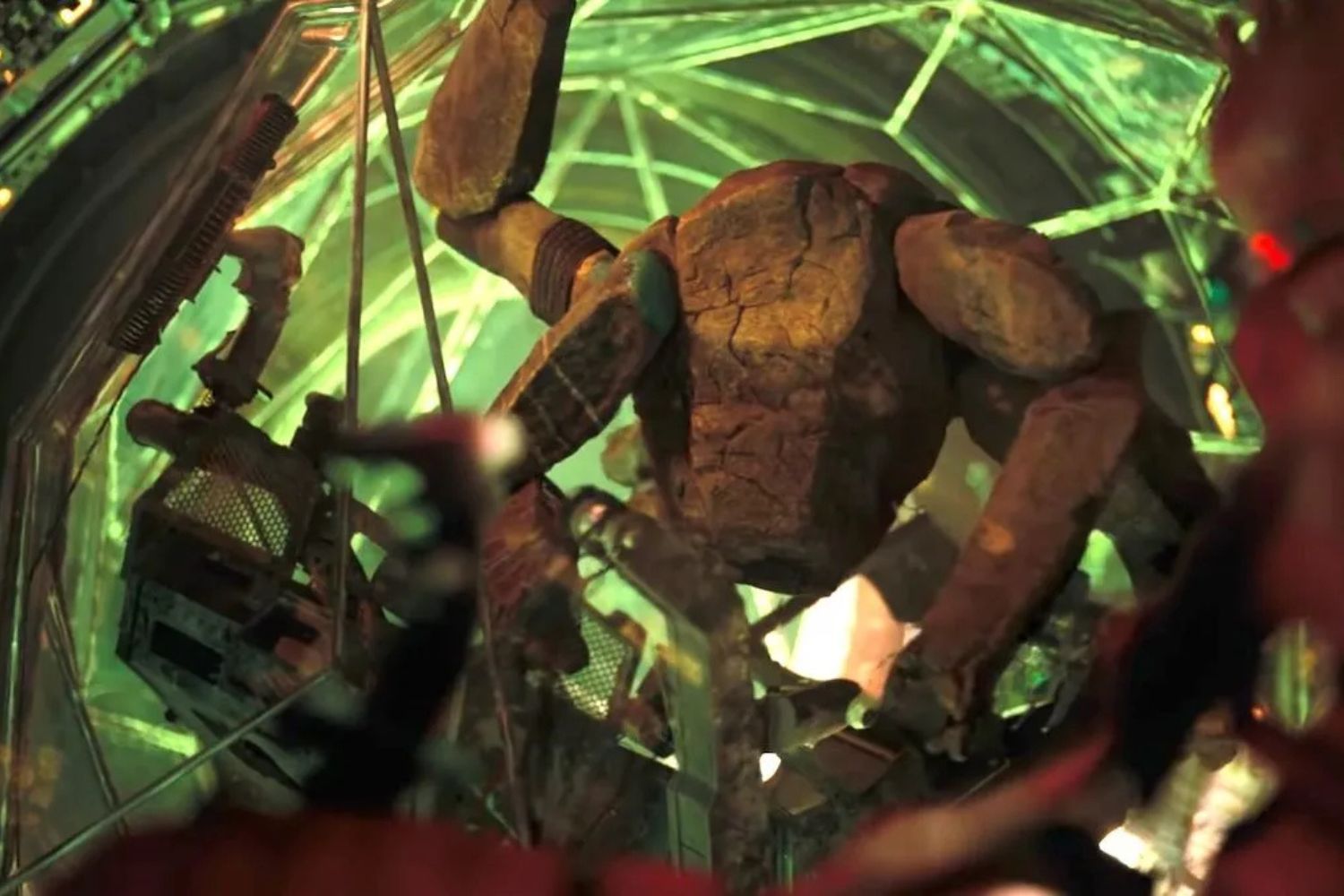
Project Hail Mary: Two friends, one universe
I never imagined that Sign of the Times could fit so perfectly and hauntingly into a sci-fi film about the end of the world. Like the song, Project Hail Mary (2026) is a slow burn, visually spectacular and, importantly, a moving story simply about a relationship bound by world-ending threats.
[embedded content]
Lord and Miller’s Project Hail Mary is a heartwarming science fiction film set in a universe threatened by a mysterious substance that devours planets. Despite its larger-than-life premise, the story is about something more personal, a relationship between two beings lost in space.
The best part of the film is the dynamic between the two leads: Grace, a reluctant astronaut sent to research how to save the Earth, and Rocky, the sole survivor of his alien crew who is also on a mission to save his world.
I am glad the film takes time to explore these two characters. We gradually learn who Rocky is through Grace’s trial and error. He takes time to study his alien friend to find a way to communicate with him. The generous screen time allows the story to establish the relationship between the leads, making us care about them.
Honestly, I also never imagined that a rock-like alien could be this cute.
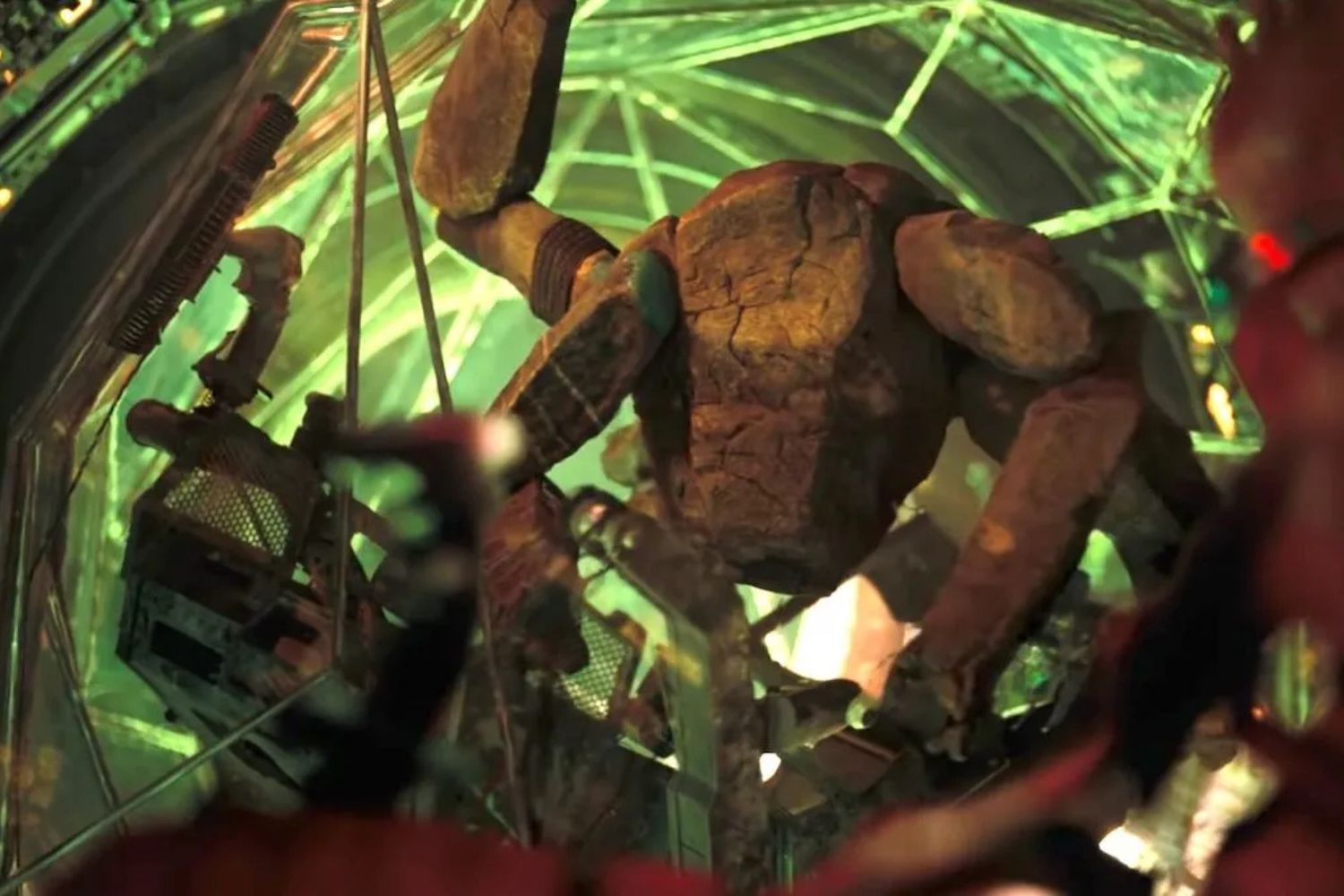
James Ortiz as Rocky in Project Hail Mary (2026). (Photo: Amazon MGM Studios)
The time taken to get to know Rocky also makes encountering him more fascinating, as it lends a greater realism to an alien encounter. He feels like a genuine creature with his own language and way of being.
The visuals and effects also deserve praise. The film is cinematically worthy, capturing the scale and grandeur of the universe with conviction. According to the filmmakers, Project Hail Mary uses zero green screen in its production, despite roughly 2,000 VFX shots. It is a visual feast with a realism reminiscent of Interstellar (2014).
I also appreciate the contrast in aspect ratios between Earth and space. According to the director: “We shot everything that happens in space (3/4 of the movie) in native 1.43:1 aspect ratio, and everything on earth (1/4) at a 2.39:1 aspect ratio.” This reinforces the story. Earth feels claustrophobic, its narrower frame mirroring humanity’s trapped existence, while the space scenes fill the screen entirely, evoking vastness, exploration and possibility.
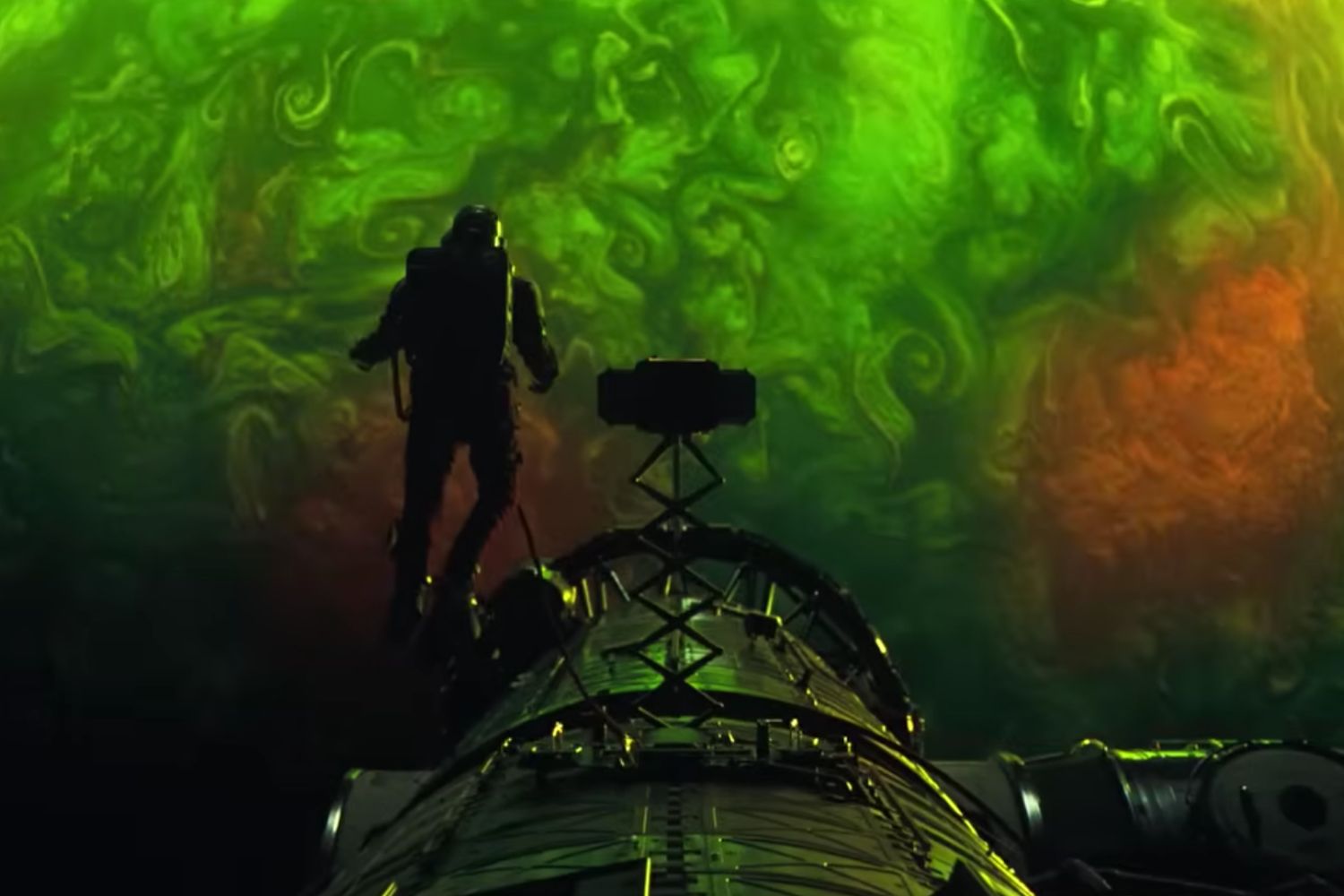
Project Hail Mary (2026). (Photo: Amazon MGM Studios)
The film is not without its flaws. Although some sections are well paced and given room to breathe, the beginning felt a little drawn out, almost directionless, though I am unsure whether this was intentional, echoing Grace’s own situation of drifting in space without knowing where to go.
Something similar happens towards the ending, but in reverse. There was a point where I thought the film had reached its climax, yet it kept going for about half an hour, going through further climaxes that were briefly set up and paid off almost instantly, as though it were trying to fit the rest of the book in. Maybe this too was an attempt to echo Grace’s chaotic situation in the latter half. If so, it kinda works.

Fist my bump. (Photo: Amazon MGM Studios)
At the end of the day, the shortcomings are easily forgivable when weighed against its cinematic storytelling and heartwarming story about two struggling beings who find healing in one another in this vast universe.
Kudos to author Andy Weir for his mastery in blending hard science and making it accessible, with an imaginative and heartfelt narrative. And kudos to Phil Lord and Christopher Miller for translating that magic into a thoroughly heartfelt, crowd-pleasing spectacle.
Source – Bangkok News


