
Thai tanker passes through Hormuz safely
Iran working on vetting and ‘toll’ system for ships from non-combatant countries
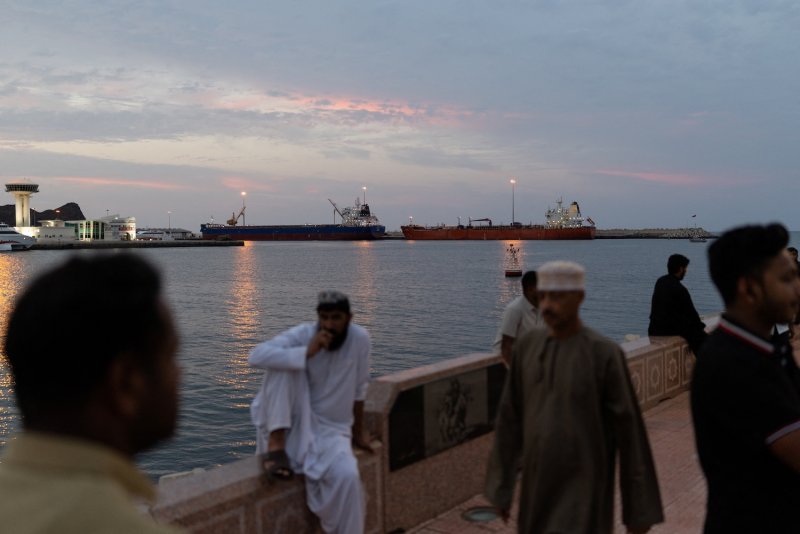
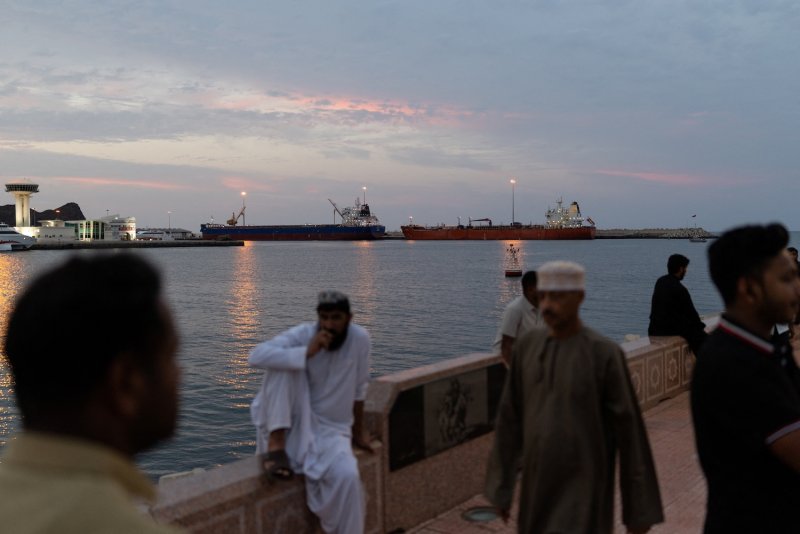
A Thai ship has passed safely through the Strait of Hormuz following successful negotiations with Iran and Oman, Foreign Affairs Minister Sihasak Phuangketkeow said on Tuesday.
The SET-listed energy firm Bangchak Corporation Plc subsequently confirmed that a crude oil tanker that had been anchored in the Persian Gulf since March 11 had transited the strait safely.
“The tanker is currently on its way across the Indian Ocean and is expected to deliver crude oil to Thailand in early April,” the company said in a statement on Tuesday evening.
Bangchak expressed its appreciation to the Ministry of Foreign Affairs for coordinating with relevant authorities, as well as to the governments of Iran and Oman, “in facilitating the vessel’s passage in accordance with international law”.
The Iranian Embassy in Thailand also issued a statement saying that the passage was the result of “close cooperation between our two countries and the Sultanate of Oman”.
“We value our friendship and will never forget our allies,” the statement said.
Iran recently took responsibility for a missile attack on the Thai bulk carrier Mayuree Naree. It is now working with Oman on an attempt to reach the ship and rescue three Thai crewmen said to be still aboard.
The latest development comes amid reports that a new “safe” corridor running through Iran’s territorial waters has emerged in recent days, and at least nine ships have passed through, the maritime news and analysis service Lloyd’s List reported.
It said several countries including India, Pakistan, Iraq, Malaysia and China, were in direct talks with Tehran to transit through its territorial waters in the Strait.
Ships have been approved on a case-by-case basis, but the Islamic Revolutionary Guard Corps (IRGC) is now developing a vetting and registration system that would involve tolls of up to $2 million per vessel.
“Only one tanker is so far understood to have made a payment, said to be in the region of $2 million,” said Lloyd’s List.
The IRGC is reportedly requesting that the tolls be paid in Chinese yuan.
“Ships hoping to use the pre-approved route are expected to have communicated extensive details regarding both the ownership of the vessel and destination of the cargo to the IRGC in advance of the transit,” Lloyd’s reported.
“Those details are being communicated via a series of Iran-affiliated individuals operating outside of Iran.”
An estimated 400 vessels are currently waiting outside the Strait. The figure includes 150 tankers, 120 bulk carriers and 130 others.
Iranian Foreign Minister Abbas Araghchi said the Strait was “open, but closed to our enemies”, signalling a de-escalation from earlier remarks by the IRGC that any ship trying to transit the waterway would be set ablaze.
Traffic through the Strait has plunged by 95% since the United States and Israel launched a war on Iran three weeks ago, with major repercussions for global energy markets. About one-fifth of the world’s oil transits through the Strait.
Source – Bangkok News