
U.S. Will Offer Embassy Services in a West Bank Settlement for the First Time

It made headlines in 2018 when the U.S. ambassador to Israel made an official visit to an Israeli settlement in the West Bank, breaking a longstanding foreign-policy taboo. Most of the world views the settlements as illegal, and U.S. officials had steered clear to avoid lending them legitimacy.
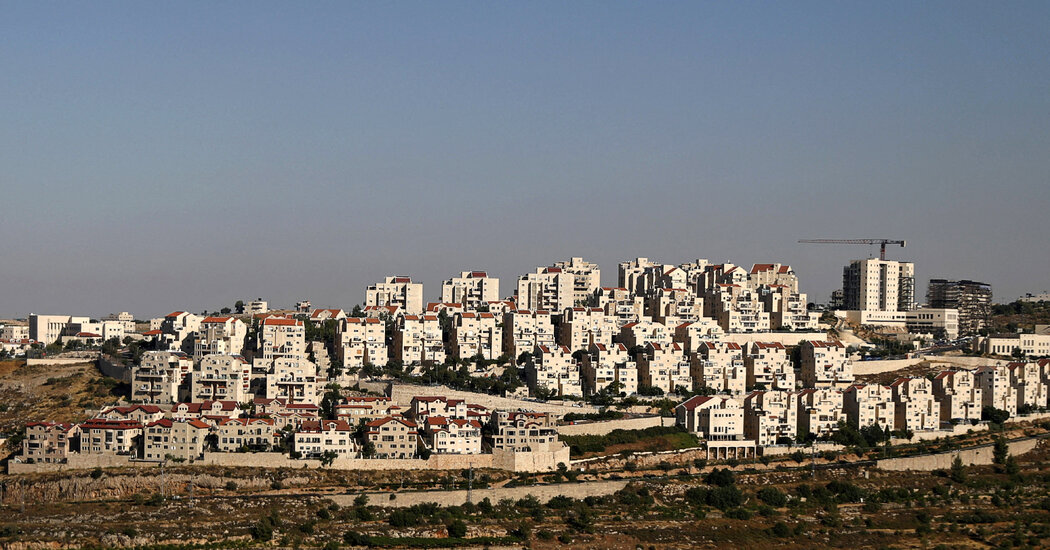
Another barrier is about to be broken. On Friday, the U.S. Embassy in Jerusalem has announced, it will set up shop in Efrat, a fast-growing Jewish settlement, to offer American citizens assistance with their passports. The embassy plans to do the same in Beitar Illit, an ultra-Orthodox settlement, in the coming months.
Such one-day consular pop-ups have operated before in Palestinian towns in the West Bank like Ramallah and Taybeh. Others are also planned in the Israeli cities of Haifa, Beit Shemesh and Netanya. But officials said Friday would be the first time consular services were delivered in an Israeli settlement.
An embassy spokesman insisted that the move did not represent a change in U.S. policy.
But Israelis and Palestinians, in an unusual convergence of opinion, agreed that it did.
On the Israeli right, Foreign Minister Gideon Saar called the embassy’s move an “important decision,” and Yuli Edelstein, a settler, lawmaker and former Knesset speaker, praised it as “a blessed step of tremendous importance.”
Mr. Edelstein said it “adds to the international legitimacy of our right to the regions of our homeland in Judea and Samaria,” using the biblical names for the West Bank. He added that Israel needed to take “the next step” and apply its sovereignty there as well.
Source – NY Times