
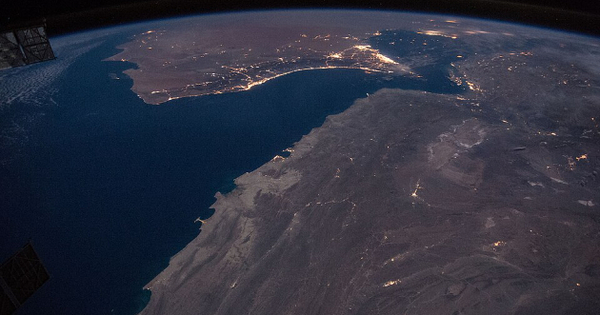
New proposal from Oman aims to regulate Hormuz shipping route
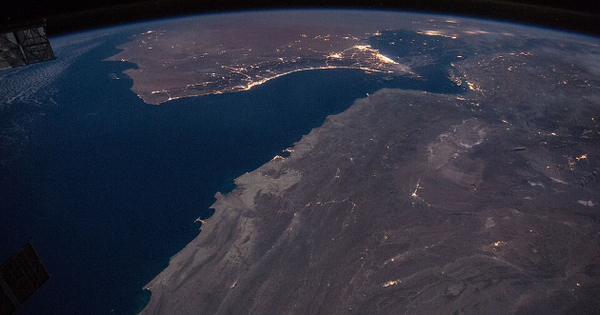
DUBAI, U.A.E.: Oman has put forward a new plan, supported by Middle East countries, to manage the Strait of Hormuz. The plan includes collecting voluntary fees from ships that pass through the waterway.
A Middle East source and a Western diplomat said this proposal could help reduce disruption to trade caused by the recent war involving the United States, Israel, and Iran.
The Strait of Hormuz is a key route for global energy supplies. Before the conflict, about one-fifth of the world’s oil and liquefied natural gas passed through it.
U.S. President Donald Trump recently stopped a two-week bombing campaign against Iran. He said there had been positive discussions with Iran but warned that attacks could restart if talks did not succeed. However, Iran has denied that it is trying to resume negotiations with the United States.
The United States had launched strikes earlier in the month to weaken Iran’s control over the strait. Iran responded by effectively closing the route to most foreign ships after U.S. and Israeli attacks on February 28. Although a deal last month briefly reopened the passage, it collapsed in early July when Iran fired at ships using routes it did not approve.
Iran has said it wants to jointly manage the strait with Oman, which controls the opposite coast. It has also suggested charging ships for services. The United States, however, wants a return to the earlier system, where ships could pass freely without paying. Washington believes that mandatory fees would be illegal.
Under Oman’s proposal, Iran would not have full control over the strait, and any payments from ships would be voluntary. The idea is similar to the system used in the Strait of Malacca in Asia, where countries such as Indonesia, Malaysia, and Singapore ask ships to make voluntary contributions. These funds are used for navigation safety, environmental protection, and rescue services.
A Western diplomat explained that the plan could work like a voluntary carbon offset system for air travel, where passengers can choose to pay extra to reduce their environmental impact.
As of the evening of July 27, Iran had not officially responded to the proposal. Omani officials had traveled to Tehran over the weekend to discuss the plan.
Iran’s Foreign Minister Abbas Araqchi also discussed the issue with officials from Oman and Saudi Arabia. He highlighted the importance of cooperation between countries in the region, according to an official statement.
The recent conflict has caused heavy damage and loss of life. The U.S. bombing campaign lasted 13 nights and killed many people in Iran. It also destroyed infrastructure such as bridges, tunnels, and military sites.
Iran responded by attacking U.S. bases in nearby countries, killing four American service members. It also launched strikes on civilian infrastructure in Gulf countries, saying these were in response to U.S. attacks on civilian areas.
Iran has said it will stop its attacks as long as the United States does the same. However, drone attacks were reported in Jordan, Saudi Arabia, and northern Iran earlier this week. Jordan also said it had shot down another drone on July 28.
Trump said on July 27 that there was a strong chance of reaching an agreement to end the conflict, which has lasted five months. He also warned that military action could resume if talks failed. He said there was a good chance of progress, but added that if nothing happened, the United States would return to its earlier actions.
Iran, however, said it had not started any new negotiations with the United States. It accused Washington of breaking the earlier agreement that had set the framework for talks to end the war.
Source – Indonesia News