
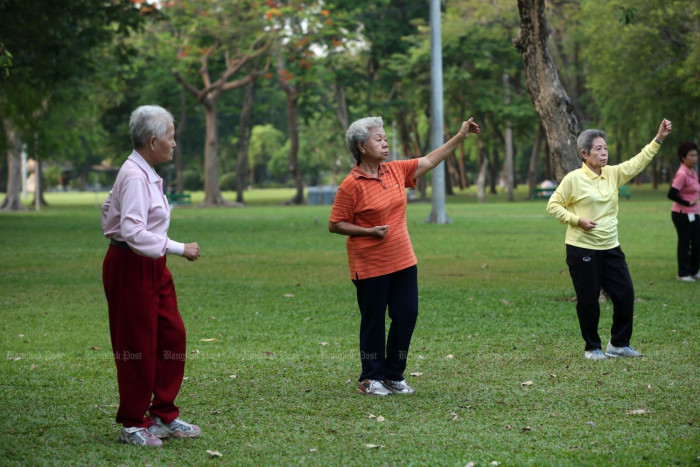
Self-care for older adults during Thailand’s summer
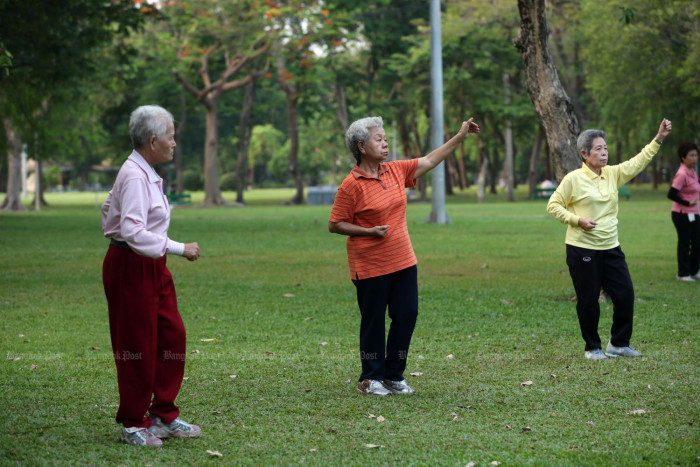
As temperatures climb during Thailand’s summer months, older adults face significantly greater risks. The body’s ability to regulate temperature declines with age, the sense of thirst diminishes, and pre-existing conditions such as heart disease, diabetes and high blood pressure can flare up.
Certain medications also interfere with the body’s ability to cool itself. Together, these factors make older adults far more vulnerable to heat-related illness.
Heat stroke
The most dangerous heat-related condition is heat stroke, which occurs when the body’s core temperature exceeds 40°C (104°F) and the brain’s temperature-regulating mechanism breaks down. Because older adults cannot dissipate heat as efficiently as younger people, they are at particular risk.
Warning signs include a flushed face, rising body temperature without sweating, intense thirst, headache, dizziness, nausea, rapid breathing, muscle cramps and confusion. In severe cases, loss of consciousness can follow.
If left untreated, heat stroke can cause the heart to stop. Anyone displaying these symptoms should be taken to hospital immediately.
To reduce the risk, older adults should avoid direct sunlight and outdoor activity during the hottest parts of the day, use a damp towel to cool the body if overheated, and drink water regularly without waiting to feel thirsty.
Dehydration
Older adults tend to drink less water than they should, partly because the sense of thirst weakens with age. In hot weather, when the body loses fluid rapidly through sweat, this can quickly lead to dehydration.
Signs include a dry mouth, fatigue, dark-coloured urine, dizziness and fainting. Aim for at least six to eight glasses of water a day, more if a doctor advises it.
Diarrhoea
Heat accelerates bacterial growth, meaning food spoils far more quickly than usual. Older adults who consume contaminated or improperly stored food are at heightened risk of food poisoning and diarrhoea.
Food should be eaten freshly cooked, stored promptly in a refrigerator and reheated thoroughly before serving. Hands should be washed regularly, and serving spoons should be used when eating communally.
Heat rash and sunburn
Prolonged sun exposure without protection can cause the skin to burn, redden and develop a rash — a particular concern for older adults whose skin is more fragile.
Limit time in the sun, wear a hat and long sleeves, apply sunscreen and drink plenty of water to keep the skin hydrated. If a rash or redness does not improve, seek medical attention.
How to keep older adults safe this summer
A few straightforward habits go a long way:
- Drink at least two litres of plain water daily.
- Wear loose, light-coloured, breathable clothing. Rest during peak sun hours between 11am and 4pm.
- Eat light, low-fat, easily digestible meals — water-rich fruits and vegetables such as watermelon, cucumber, tomato and pineapple are ideal.
- Avoid very cold or very sweet drinks, which can upset the digestive system. And do not drink alcohol in hot weather, as it raises body temperature, accelerates fluid loss and can trigger shock, particularly during the day.
When to see a doctor
Seek medical attention immediately if an older adult develops an unusually high body temperature, dizziness, fainting, difficulty breathing or sudden unexplained weakness. In the case of suspected heat stroke, call for help straight away.
Medical emergencies: 1669
Tourist police: 1155
Police and emergencies: 191
References
https://www.samitivejhospitals.com
Source – Bangkok News