
Capital flees Thai stocks as baht continues to decline
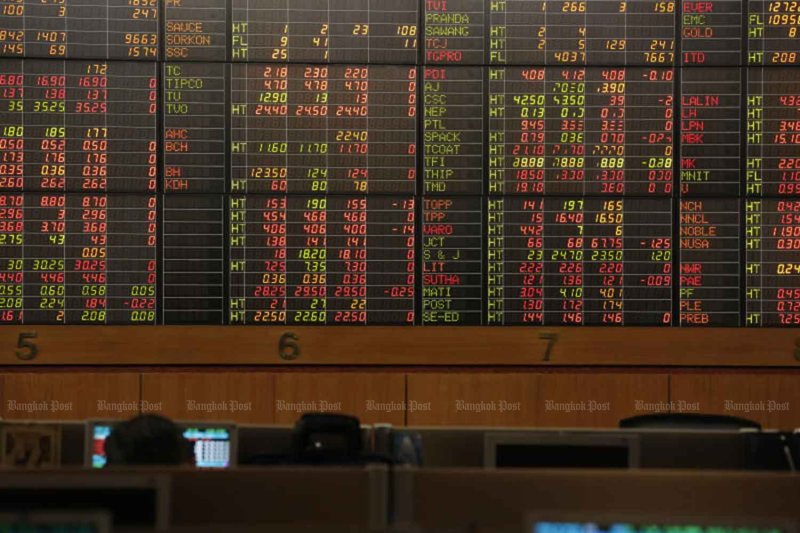
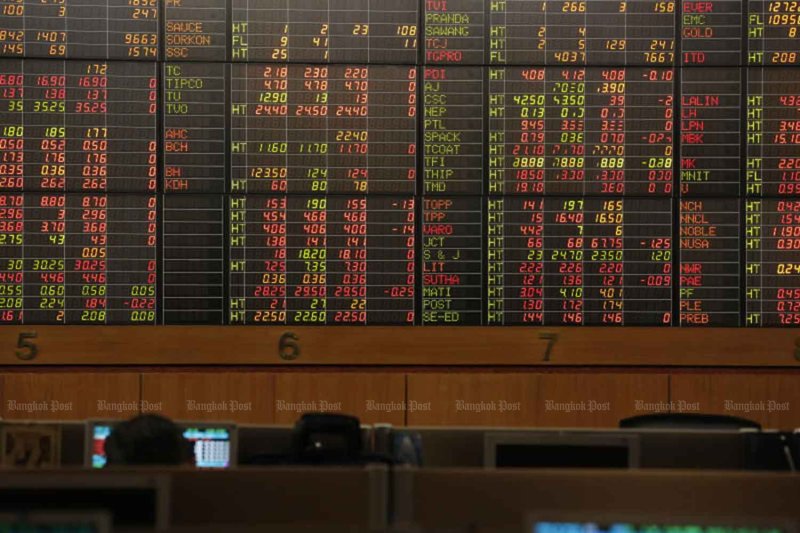
The ongoing baht depreciation and rising US bond yields are pressuring the Stock Exchange of Thailand (SET) and encouraging capital outflows after the benchmark index retreated from the key psychological level of 1,600 points, say analysts.
Veerawat Virojphoka, senior director of securities analysis at FSS International Investment Advisory Co, said the higher probability of the US Federal Reserve hiking interest rates amid rising inflation has prompted capital outflows from emerging markets, including the Thai bourse.
Markets now assign a 72% probability of a December Fed rate hike. The Bank of Thailand seems to have limited space to increase the rate given concerns it could hurt the fragile Thai economy, said Mr Veerawat.
Meanwhile, the US 10-year Treasury yield surged above 4.56%, reflecting persistent worries over long-term interest rates and inflation.
“Rising US bond yields are exerting direct pressure on global money and capital markets, including Thailand,” Asia Plus Securities (ASPS) said in a research note.
Foreign investors have sold Thai bonds valued at around 11 billion baht month-to-date, including 6.5 billion baht in net selling on Monday, pushing Thailand’s 10-year bond yield up by 8 basis points to 2.29%.
“This reinforces expectations that Thailand’s Monetary Policy Committee will keep policy rates unchanged throughout the year to preserve economic stability,” the brokerage said.
“Capital outflows and expected rate hikes by major central banks are widening rate differentials and weighing on the baht.”
The SET index surpassed 1,600 points on Thursday, but pulled back on Friday and Monday.
The bourse rebounded on Tuesday in line with other Asian stock markets, trading at around 1,580 points by mid-afternoon.
The baht plunged to a two-month low of 32.92 to the greenback on Monday.
“As long as the baht is depreciating, significant fund inflows are unlikely in the short term,” said Mr Veerawat.
ASPS said West Texas Intermediate crude prices fell after Iran announced a ceasefire with Israel, easing inflation pressure and supporting a short-term relief rally in artificial intelligence and growth stocks.
However, the overall market upside remains capped as the US 10-year Treasury yield has not declined in tandem with oil prices and remains elevated at around 4.57%, reflecting persistent concerns over inflation and monetary policy, noted the brokerage.
Mr Veerawat expects Thai inflation to remain elevated over the next couple of quarters as oil prices have risen amid lingering Middle East conflicts.
“Inflation cooled to below 3% in May, but will certainly soar this month and in the months ahead,” he said.
“We expect Thai inflation could be as high as 4% in the next couple of quarters, before easing in the second quarter of next year.”
Source – Bangkok News