
Fake emails trick victims into transferring money
PUBLISHED : 26 May 2026 at 04:43
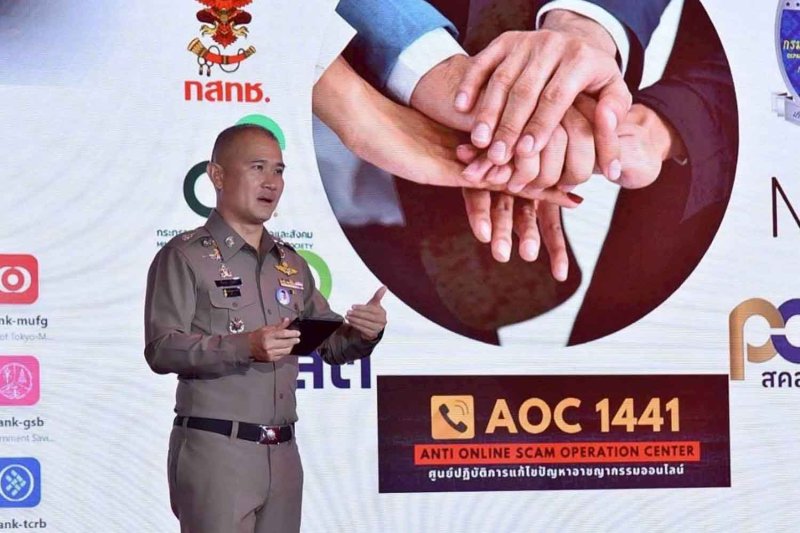
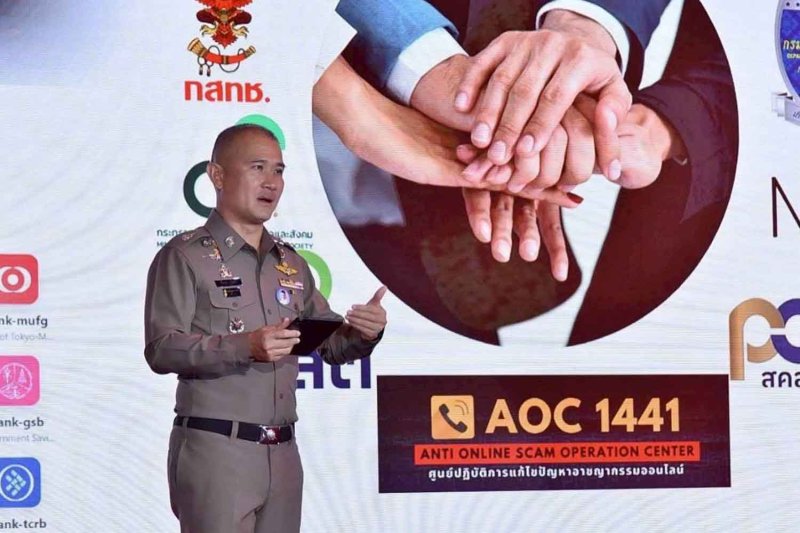
The Anti Cyber Scam Center (ACSC) has warned of increasingly aggressive cybercrime, highlighting a new wave of scams involving fake emails impersonating company executives or business partners to trick victims into transferring money.
ACSC, led by assistant national police chief Pol Lt Gen Jirabhop Bhuridej, on Monday released data on online fraud cases reported between May 17 and 23. A total of 5,583 complaints were filed via the Thaipoliceonline system, with overall losses amounting to 214.3 million baht.
The number of cases fell slightly by 58 compared with the previous week, but total damages rose by 12.5 million baht.
Pol Lt Gen Jirabhop said complaint volumes have stabilised at a lower level, while financial losses have begun to rise again after hitting a low earlier this month. Losses increased from about 197 million baht over the previous two weeks to more than 214 million baht in the latest reporting period.
Fraud involving goods and services remained the most common category, accounting for more than 4,700 cases, or nearly 85% of all complaints. Most cases involved relatively small amounts per victim.
By contrast, investment scams and impersonation fraud together made up less than 8% of reported cases but generated 63–65% of total damages. Investment scams alone caused the highest losses last week, at 83.3 million baht.
Authorities also noted a sharp increase in proactive technical cyber-attacks.
The number of such cases rose from five to 23 within a week, while losses surged from 2.2 million baht to 8.4 million baht, signalling more aggressive operations by hacker groups.
The ACSC also warned of a new scheme known as CEO fraud, or business email compromise (BEC).
In these cases, criminals forge emails or impersonate senior executives, parent companies or business partners to instruct finance staff to urgently transfer funds, pay invoices or change recipient bank account details.
Pol Lt Gen Jirabhop said perpetrators typically create email addresses that closely resemble legitimate ones, often differing by only a few characters, and use company logos and executive names to enhance credibility.
Source – Bangkok News