
Many hospitalized after tainted food served in Indonesian schools
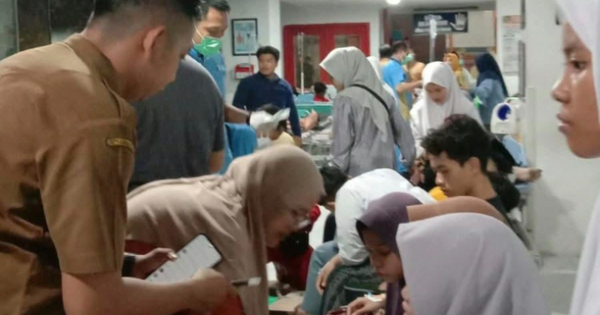
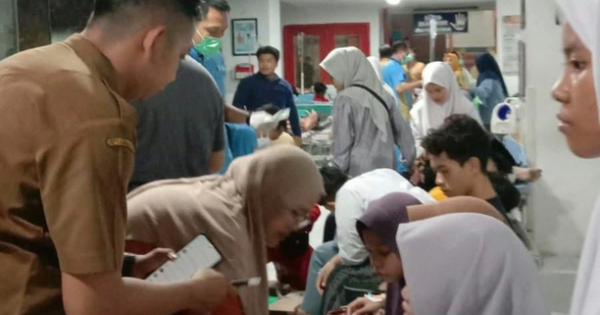
JAKARTA, Indonesia: More than 500 students in Indonesia’s East Java province were taken to hospital after suffering suspected food poisoning from free meals provided under the government’s school feeding program.
Officials said they had launched an investigation to determine what caused the illness.
The incident happened in the Sidoarjo region after students ate lunch on September 2. Ketut Sumedana, an official with Indonesia’s National Nutrition Agency, which oversees the program, said 512 students had become ill. Earlier, a regional official had put the number at 516.
Officials said around 80 children were still receiving medical treatment in hospitals.
“What we’re focused on now is saving our children’s health across some hospitals,” Ketut said in a video statement.
He said a kitchen believed to be connected to the outbreak had been temporarily removed from the government’s meals program. The kitchen has been suspended for 30 days while officials investigate the incident and determine how the food became unsafe.
Ketut said the authorities would make the findings public once the investigation was completed, including the cause of the suspected poisoning.
East Java Deputy Governor Emil Dardak said the kitchen had been supplying meals to an Islamic boarding school.
The latest incident has added to growing concerns over Indonesia’s ambitious free-meals program. President Prabowo Subianto launched the multibillion-dollar scheme last year as part of his efforts to tackle under-nutrition among children. The program aims to provide free meals to tens of millions of children across the country.
However, the scheme has faced several problems since its launch. These have included repeated reports of mass food poisoning, allegations of corruption, changes in senior leadership and concerns about the large amount of public money needed to run the program.
Non-governmental watchdog Network for Education Watch said that about 37,600 cases of food poisoning had been linked to the program by August 8.
Authorities have previously said that problems such as poor food storage and delays in delivering cooked meals have contributed to cases of food poisoning. Food prepared too early or kept in unsuitable conditions can become unsafe, particularly when it is transported over long distances.
The latest outbreak comes shortly after a new head took charge of the National Nutrition Agency and promised to make major improvements to the program. The agency has already closed hundreds of kitchens that prepare meals for students because of problems including breaches of food-quality and safety standards.
The agency had not immediately responded to a request for comment on the Sidoarjo outbreak.
The National Nutrition Agency has also experienced several leadership changes in recent months. One major change followed the arrest in June of its then-head over corruption allegations. At the same time, the Indonesian government has reduced the planned scope of the free-meals program.
The program has also raised concerns among investors because of its high cost. There are fears that the spending could put additional pressure on Indonesia’s national budget and contribute to a larger fiscal deficit.
A survey carried out in July by pollster Saiful Mujani Research and Consulting found that only about one-third of Indonesians were satisfied with the scheme. Reported cases of food poisoning were identified as one of the main reasons for the low satisfaction level.
Source – Indonesia News