New med school hit by doubts
Plan sparks debate on training standards
A plan to open a medical school at Phetchaburi Rajabhat University to address a shortage of doctors has raised public concerns that it may prioritise quantity over quality.
Last month, the council of Phetchaburi Rajabhat University set up a committee to study the proposed Department of Medicine in response to the government’s primary care service policy. If successful, it would be the first Rajabhat institution to have a medical curriculum.
The Ministry of Higher Education, Science, Research and Innovation (MHESI) and the Medical Council of Thailand have set criteria that allow Rajabhat universities — originally created as teacher-training colleges — to open faculties of medicine, provided they are prepared and meet required standards.
Rajabhat universities have responded by developing medical education programmes to train doctors for local communities and address the shortage of healthcare personnel in provincial areas. However, the idea has not been met with approval, with over 1,200 doctors recently submitting an open letter to MHESI to suspend the plan.
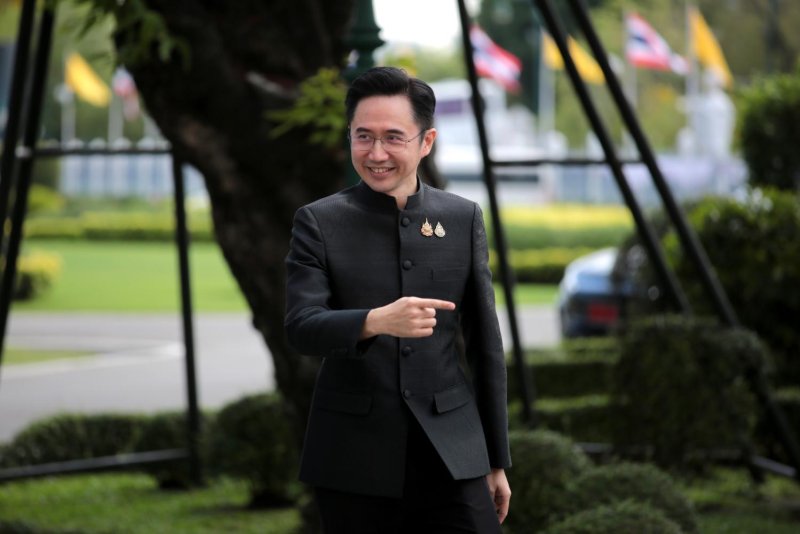
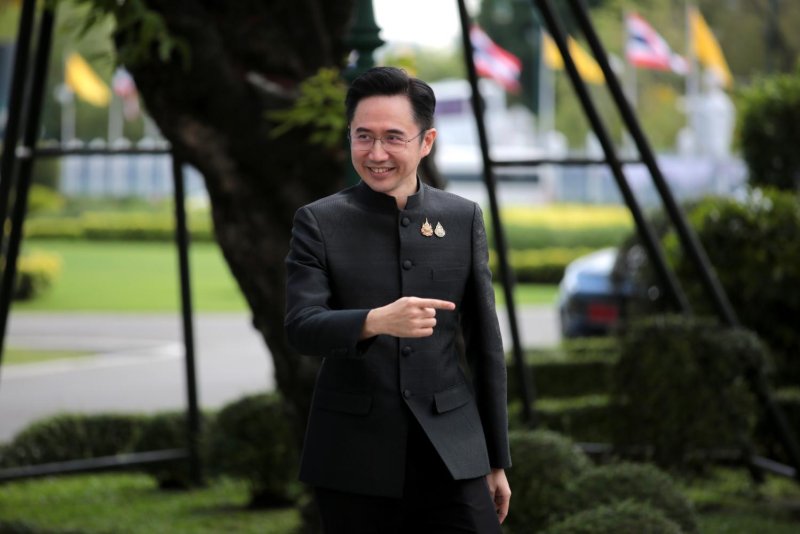
MHESI Minister Yodchanan Wongsawat said the National Higher Education, Science, Research and Innovation Policy Council agreed in principle to expand the universities’ capacity to train more doctors to replace those who have retired.
It includes a plan to increase the number of medical faculties. He said the ministry has taken quality seriously and all curricula must be approved by the Medical Council of Thailand. If it passes all criteria, there is no reason not to go ahead, he added.
Dr Chartchai Atichat, founder of the Medical Reform Assembly, said medical students will end up as victims if the course opens without readiness and the public’s trust.
“Not every university should be allowed to open a medical programme simply because there is strong demand for doctors. We have seen many cases in which graduates failed the medical licensing examination because they did not receive adequate training,” he said.
“More importantly, some universities have run substandard medical programmes, leaving graduates unable to obtain a medical licence.”
He said the shortage of qualified medical faculty is another major concern. In addition, universities must have their own affiliated teaching hospitals where students can complete their clinical training, which could be tough to pull off given the heavy workloads hospitals already face.
He also questioned whether the government’s subsidy of 2 million baht per medical student is worthwhile.
The Medical Council of Thailand says there are 80,262 active doctors nationwide. Both public and private universities produced 3,000 doctors a year in 2023, 2024, and 2025.
Dr Supachok Vejjaphanphaesat, an inspector at the Ministry of Public Health who is in charge of human resources management, said the public healthcare sector’s challenge is not producing doctors but keeping them.
The ministry is responsible for training medical doctors and also hiring 25,000 doctors; however, it now hires only 21,000 in the public medical service system.
Source – Bangkok News