Saudi Arabia remains at negotiating table despite being under fire
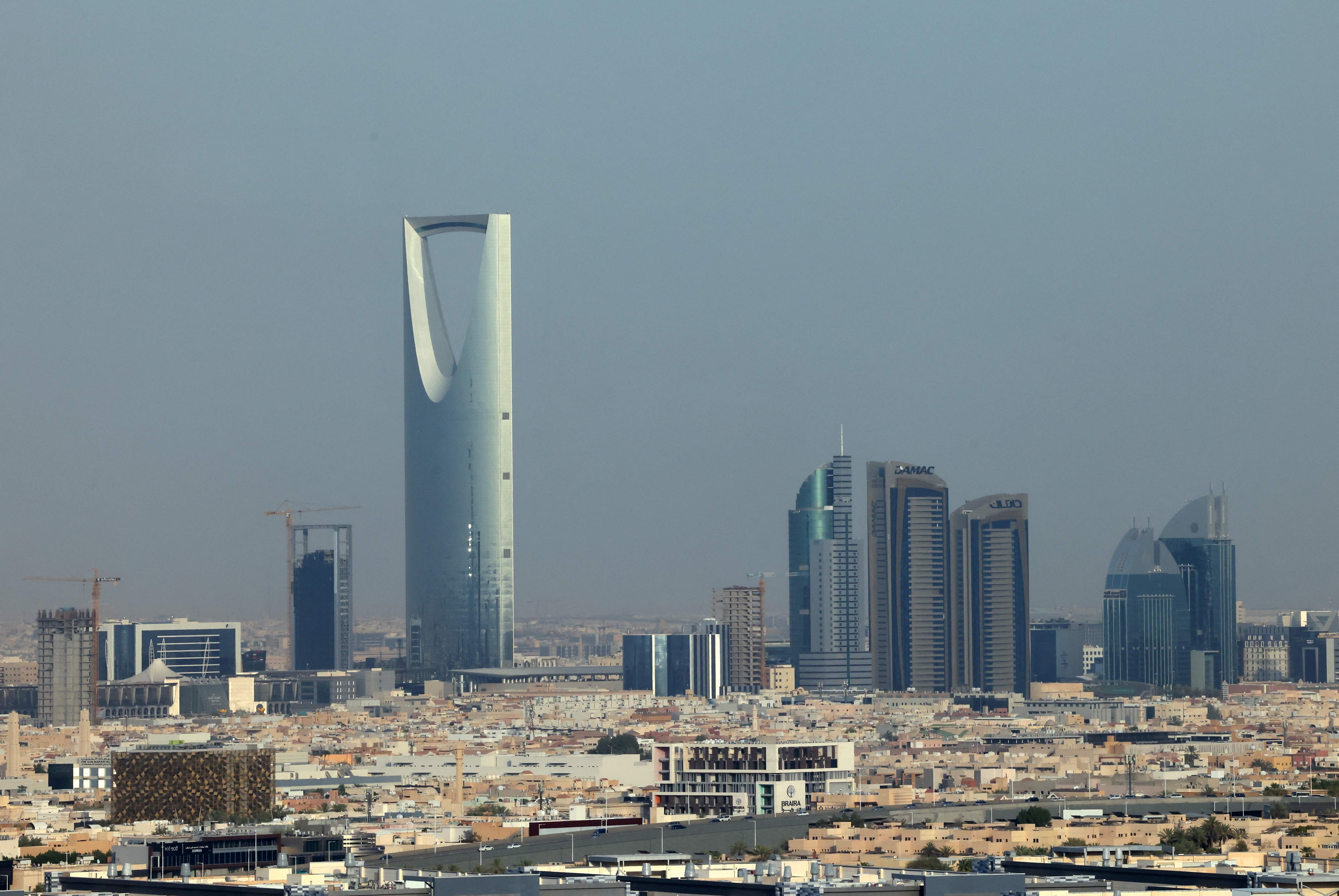
In the past three years, an unusual list of visitors has passed through Saudi Arabia. Envoys from the two warring sides in Sudan signed a declaration on protecting civilians in Jeddah in 2023. Later that year, representatives of some 40 countries met in the same city to discuss peace in Ukraine. In February 2025, the American and Russian foreign ministers sat down together in Riyadh, the first meeting of its kind since the invasion of Ukraine. A month later, American and Ukrainian officials met in Jeddah and agreed a ceasefire proposal. A country long seen as a party to regional rivalries rather than a neutral broker had become one of the world’s busiest venues for negotiation.
This month, that country has been under fire. Houthi missiles have struck its airports, while Iran attacked its infrastructure earlier this year. The obvious expectation is that a state under attack drops diplomacy in favor of force. Saudi Arabia has not and international law suggests it is right not to.
Article 51 of the UN Charter enshrines the right of self-defense, but that right has limits. In the cases concerning Nicaragua (1986) and oil platforms (2003) — the latter brought, as it happens, by Iran — the International Court of Justice confirmed that self-defense must be necessary and proportionate. A state that responds to attack with calibrated force, while leaving room for negotiation, does not weaken its legal position. It strengthens it. Every proportionate response and every diplomatic channel kept open adds to the record that will matter when these events are judged.
The UN Charter also does more than permit self-defense. Article 2(3) requires that states settle their disputes by peaceful means and Article 33 lists the methods: negotiation, mediation, good offices and the rest. In much of the Middle East, these articles are treated as decoration. Saudi Arabia has made them policy. Its 2023 agreement to restore relations with Iran and its direct talks with the Houthis in Riyadh the same year were serious attempts at peaceful settlement. That those efforts were later met with missiles says more about the other side than about Riyadh.
The obvious expectation is that a state under attack drops diplomacy in favor of force. Saudi Arabia has not
Dr. Bashayer Al-Majed
Being a broker is not only virtuous; it pays. A state that both sides of a war can visit gains access to information, influence and gratitude that cannot be bought. Saudi Arabia’s role in the Russia-Ukraine prisoner exchange of 2022 gave it standing with Moscow and Kyiv that few states of its size have. Its hosting of American-Russian talks also made it useful to Washington at a moment when usefulness counts for a lot.
The value of that reputation shows in a crisis. When the Kingdom is attacked, it is not seen as just another party to a regional conflict. It is seen as a state that has kept its word as a convener and governments are slower to abandon a partner whose diplomatic services they may need next month. Turkiye and Pakistan’s decision to activate their defense commitments to Riyadh this month reflects military calculation, but also a recognition that Saudi Arabia is worth standing by.
It also matters for investors. Capital looks for jurisdictions that reduce the risk of conflict as well as absorbing it. A state that mediates in other people’s wars is unlikely to start reckless ones of its own. That is an underestimated part of the Saudi risk profile.
A state that both sides of a war can visit gains access to information, influence and gratitude that cannot be bought
Dr. Bashayer Al-Majed
Kuwait understands this better than most. Our own tradition of mediation, most recently during the Gulf rift of 2017, rests on the conviction that small and medium states gain security by being indispensable to dialogue. Saudi Arabia has taken that tradition and given it the scale of a G20 economy. Gulf states should see this as a shared asset. A region that produces mediators is harder to cast as a source of instability.
The same logic suggests a practical step. The Gulf Cooperation Council should support Saudi efforts to revive the Yemeni peace process the moment the attacks stop. Collective support would show the Houthis and their backers that escalation has not divided the Gulf and that the way to Riyadh’s negotiating table still runs through diplomacy, not missiles.
Critics will say Saudi Arabia is a party to the Yemen conflict and so cannot be a neutral mediator. But mediators do not have to be uninvolved; they have to be trusted. Over the past three years, Riyadh has shown that rivals and adversaries, from Moscow to Kyiv and from Khartoum to Washington, are willing to sit at its table. That kind of trust is hard to build and easy to lose — and the Kingdom has guarded it carefully, even under fire.
The Houthis are betting that missiles will push Riyadh away from the table. They are likely to find that the table is in Riyadh.
Dr. Bashayer Al-Majed is a Professor of Law at Kuwait University, and a Visiting Fellow at Oxford. She is a civil law expert and works toward empowering women in the Middle East and advancing legal equality. Her primary research field is comparative private law, with a particular focus on commercial contracts and dispute resolution. She has written and lectured extensively
Source – Arab News