State auditors query Thai PBS contracts
Public broadcaster facing intense scrutiny of practices as funding reviewed
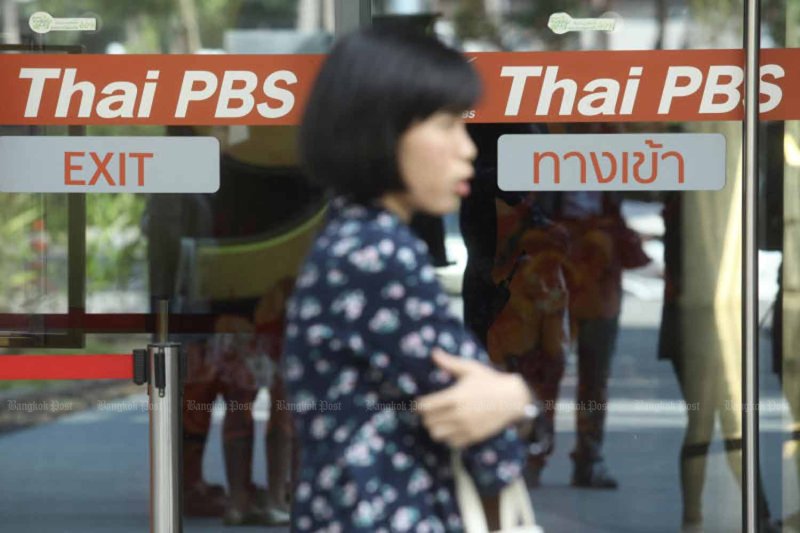
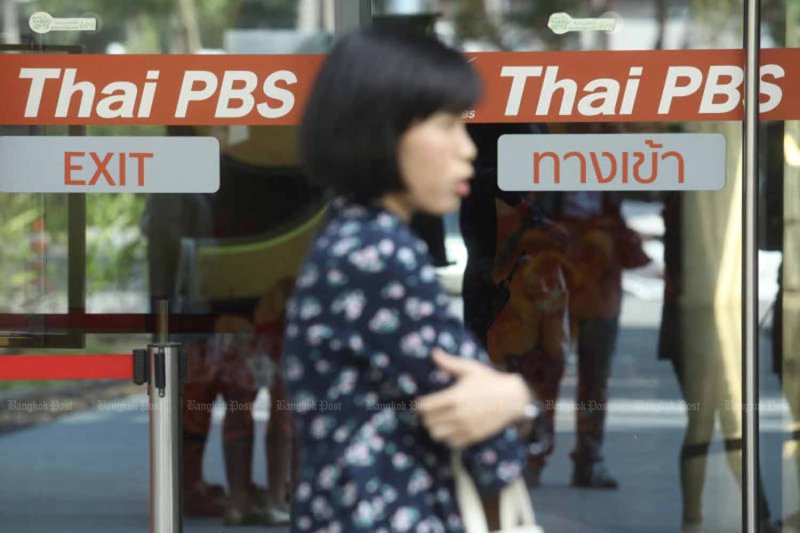
The State Audit Office (SAO) has expressed suspicions about the way Thai Public Broadcasting Service hires and pays programme producers, saying it is evading payment rules.
Deputy auditor-general Sutthipong Boonnithi told a press conference on Wednesday that the agency began an investigation in response to complaints from some staff members of the station late last year.
Specifically, the complaints concerned the Kao Joh Yoh Lok (news focus and world roundup) programme and the station’s payments to programme hosts and guests.
The SAO reportedly identified 15.8 million baht in directly awarded news-production contracts and 214 million baht in presenter and guest payments, citing a lack of clear rules authorising compensation.
Auditors said Thai PBS hired the same company to produce Kao Joh Yoh Lok for nine years without competitive bidding, breaching procurement law.
Mr Sutthipong said Thai PBS management should have used a selection process or bidding contest, which could have resulted in better programme quality.
Discussing payments for programme hosts and guests, Mr Sutthipong said Thai PBS introduced regulations in 2024 but the rules were not enforced. The payments that were not subject to the regulations amounted to 85 million baht, he said.
Other reports have indicated that Thai PBS hired well-known journalists and presenters to host and produce programmes, paying them anywhere between 40,000 and 250,000 baht an episode.
Mr Sutthipong said the SAO would proceed with the investigation and would determine whether to forward the findings to the National Anti-Corruption Commission.
Somathut Nithitreerut, the compliance audit director at the SAO, said the agency was also looking into an executive’s use of a Thai PBS car despite already being paid a vehicle allowance. He said Thai PBS did not have clear regulations for the use of its vehicles.
The investigation by the SAO comes just days after the government proposed a radical change to the way Thai PBS is funded. The station currently receives 2 billion baht a year directly from from “sin taxes” on alcohol and tobacco, but the government wants it to be subject to the regular state budget process, with political oversight.
Thai PBS deputy director Piset Chiyasak on Wednesday defended the station, saying the SAO had caused harm to the station by announcing some of the findings from its investigation before it was completed.
Mr Piset said the SAO did not invite Thai PBS management to clarify the payments for programme hosts and guests, which he said were made in compliance with the relevant regulations.
He declined to address the issue of an executive using one of the station’s cars, while insisting that Thai PBS was corruption-free.
Adisak Limparungpatanakij, another Thai PBS deputy director, said the station had expanded its operations over the years but never sought additional financial support.
The station has about 1,200 employees. Half of them are engaged in work outside of mainstream programming, such as the Thai PBS Verify fact-checking unit, and programmes for children and people with disabilities, Mr Adisak said.
Source – Bangkok News