
Why Your Brand Needs a Gaming Strategy
IKEA recently tackled a different segment entirely: the physical environment where gaming happens. Both brands’ top designers collaborated on a collection focused on the gamer’s space, solving problems they’re really good at: cord clutter, controller posture, and adaptable living setups. Its popularity demonstrated how a brand can find an original, authentic way to connect with gamers by genuinely improving their experience.
Fanta found a rare opening in the beverage category that fit their evolving entertainment strategy. They partnered with Xbox as an entry point to bring gamers their delicious Fanta and exclusive in-game rewards. Fanta continued their reputation of going big, and this one included promotional cans being distributed in over sixty countries. Each can was wrapped in exclusive artwork and the collaboration featured an entirely new flavor, Fanta Crimson Sour Cherry. The activation saw over a billion online impressions before a single dollar of media spend was used, a credit to the enthusiasm both fanbases have for their products.
Trolli entered the space after their data revealed that gaming was their audience’s biggest hobby. We helped them build a long-term strategy anchored by exclusive giveaways through unique CPG collaborations and League Trolli, an ongoing esports program that connected them with gamers through competition and prizes. This created an always-on consistency that formed an authentic, reliable relationship with their core demographic.
These successful activations within the gaming community require a complete understanding of the gaming experience. Brands succeed when they move beyond superficial advertising and instead deliver tangible value that resonates with gaming audiences, earning organic buzz and fan enthusiasm as a result. Finding an authentic point of connection with gamers through a brand’s existing strengths creates the inflection point of success. Brands should offer genuine value, whether that’s representation, utility, exclusivity, or sustained engagement, in a way that feels true to both the brands and gaming community.
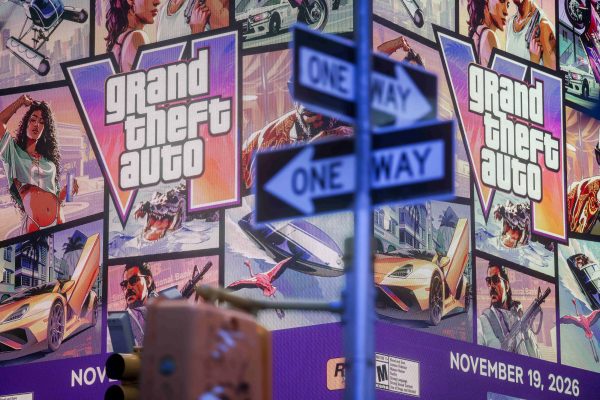
Grand Theft Auto V shipped in 2013 and has gone on to sell 230 million copies. In the thirteen years since, we’ve watched pioneering brands enter mainstream gaming and find enormous success, while others have yet to figure out their own true path. Brands can’t be a tourist in the gaming space. Don’t let another thirteen years pass before creating a strategy for the biggest entertainment market in the world.
Source – Indonesia News