
Why Your Brand Needs a Gaming Strategy

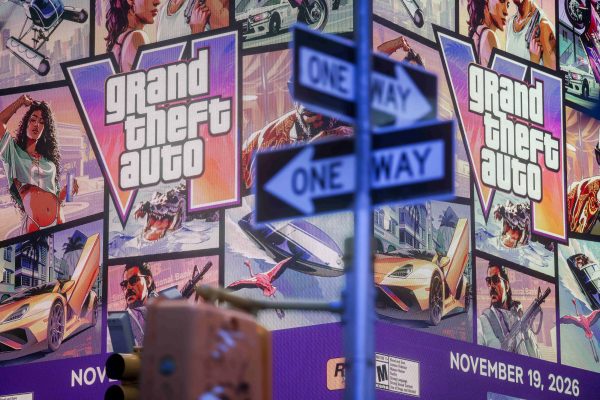
As our industry counts down to the launch of Grand Theft Auto VI, I reflect back to a moment that shaped how I think about gaming. I was at E3 2001 and was given the opportunity to get hands-on with Grand Theft Auto III. I’d played GTA 2 on PC a couple years earlier, so I understood the franchise, but what I was seeing now was something else entirely. A true, fully realized 3D open world. A city that felt populated, alive, and full of possibility. Characters with personality. And gameplay opportunities around every corner. Rockstar’s vision was unmistakable.
At the time, I was marketing the Pokémon Trading Card Game at Wizards of the Coast, building on my previous gaming experience at GameWorks, before leaving the tabletop business to join the Madden NFL franchise at EA SPORTS, where I eventually became Vice President of Brand Marketing. My time at EA taught me something fundamental: the connections that brands build between games and their fanbases are powerful. Gamers represent a blue ocean, an enormous, engaged, and largely untapped audience for brands.
Grand Theft Auto VI will be a culturally destabilizing event, a game that will reshape the gaming market, where all cultural gravity will be focused on a single product in which all other forms of entertainment will imitate. It is expected to easily outperform the former biggest entertainment launch of all time, Avengers: Endgame, and make more than the combined box office revenue of Avengers: Doomsday and Dune: Part Three.
Grand Theft Auto VI is the tip of the spear for console gaming’s resurgence. Industry data partner Circana recently reported physical video game software unit sales up 40% year-over-year, with digital marketplaces setting new concurrent user records almost every month. There are now 150 million new consoles in the market, and more games being released for them than ever before. Gaming has continued to extend its lead as the dominant global entertainment segment.
With all of this momentum we’re seeing a ton of brands dipping their toe in the gaming market right now, attempting to recreate the aesthetic of Grand Theft Auto VI, trying to be a part of the conversation. But Grand Theft Auto VI isn’t a fit for brands that are used to risk-adverse advertising campaigns. And truthfully, Rockstar doesn’t need a brand marketing partner. When the entire world is expected to buy your game on day one, there’s nothing a brand could offer that moves the needle. Brands are better off collaborating with gaming properties that are seeking support and fit their cultural ethos, joining those in the gaming space who have already figured this out.
Brands that have flourished in gaming
For those looking to figure out how to authentically market to gamers, there’s already a fair number of successful case studies we’ve been a part of.
The beauty brand OPI consistently explores ways of engaging with new audiences. Women make up 50% of the video game audience but remain underserved in the market. They worked with Xbox to come up with a colorful partnership: a nail polish line aimed directly at female gamers, which saw immediate sellouts, backed by an experiential campaign in select Target stores. The program’s success led to a second activation the following year that expanded beyond beauty to include the Sunkissed Vibes OPI Special Edition Xbox Controller.