
8 common health risks that follow flooding
With severe flooding affecting several parts of Thailand, health authorities are warning the public to be aware of diseases and other health risks associated with floodwater, contaminated surroundings and disrupted living conditions.
Dr Sakan Bunnag, deputy director-general of the Department of Medical Services, said flooding can increase the risk of illness, particularly among children, older people, pregnant women and those with underlying health conditions. People experiencing unusual symptoms should seek medical attention promptly rather than self-medicating or waiting for their condition to worsen.

Dr Sakan Bunnag, deputy director-general of the Department of Medical Services. (Photo: Ministry of Public Health)
The department has identified eight major diseases and health hazards associated with flooding:
1. Respiratory illnesses: Common illnesses include colds, influenza, Covid-19 and pneumonia. Crowded living conditions and changes in daily routines during floods can also contribute to the spread of respiratory infections.
2. Gastrointestinal diseases: Flooding can contaminate food and drinking water, increasing the risk of diarrhoea, food poisoning, dysentery and typhoid fever. People are advised to drink clean water, eat freshly cooked food and wash their hands before eating and after using the toilet.
3. Leptospirosis: Also known as rat-borne disease, leptospirosis can be contracted through contact with contaminated floodwater. People who develop a high fever after wading through floodwater, particularly if accompanied by severe muscle aches, calf pain or red eyes, should seek medical attention promptly.
4. Fungal infections of the feet: Prolonged exposure to wet conditions can cause fungal infections, blisters and infected wounds. People who must walk through floodwater should wear boots or other fully enclosed footwear and avoid allowing open wounds to come into contact with the water.
5. Conjunctivitis: Contaminated water and poor hygiene can increase the risk of conjunctivitis, commonly known as pink eye.
6. Dengue fever: Flooding and standing water can create conditions favourable to mosquitoes, increasing the risk of mosquito-borne diseases such as dengue fever. People should take precautions against mosquito bites, particularly in and around temporary shelters and flooded communities.
7. Accidents and injuries: Floodwater can conceal electrical hazards, sharp objects and dangerous animals. The department warns of risks including electric shock, drowning, stepping on sharp objects and being bitten or stung by venomous animals.
People should avoid entering floodwater unless necessary. If flooding threatens a home, the electricity supply should be switched off at the circuit breaker beforehand. Electrical appliances should not be handled when the body or hands are wet.
Residents should also be alert to snakes and other venomous animals that may seek shelter in homes as floodwater rises.
8. Stress and other mental health effects: The disruption, uncertainty and financial or property losses associated with flooding can take a toll on mental health. People are encouraged to get adequate rest and speak with family members, friends or health professionals if stress, insomnia or other symptoms begin interfering with daily life.
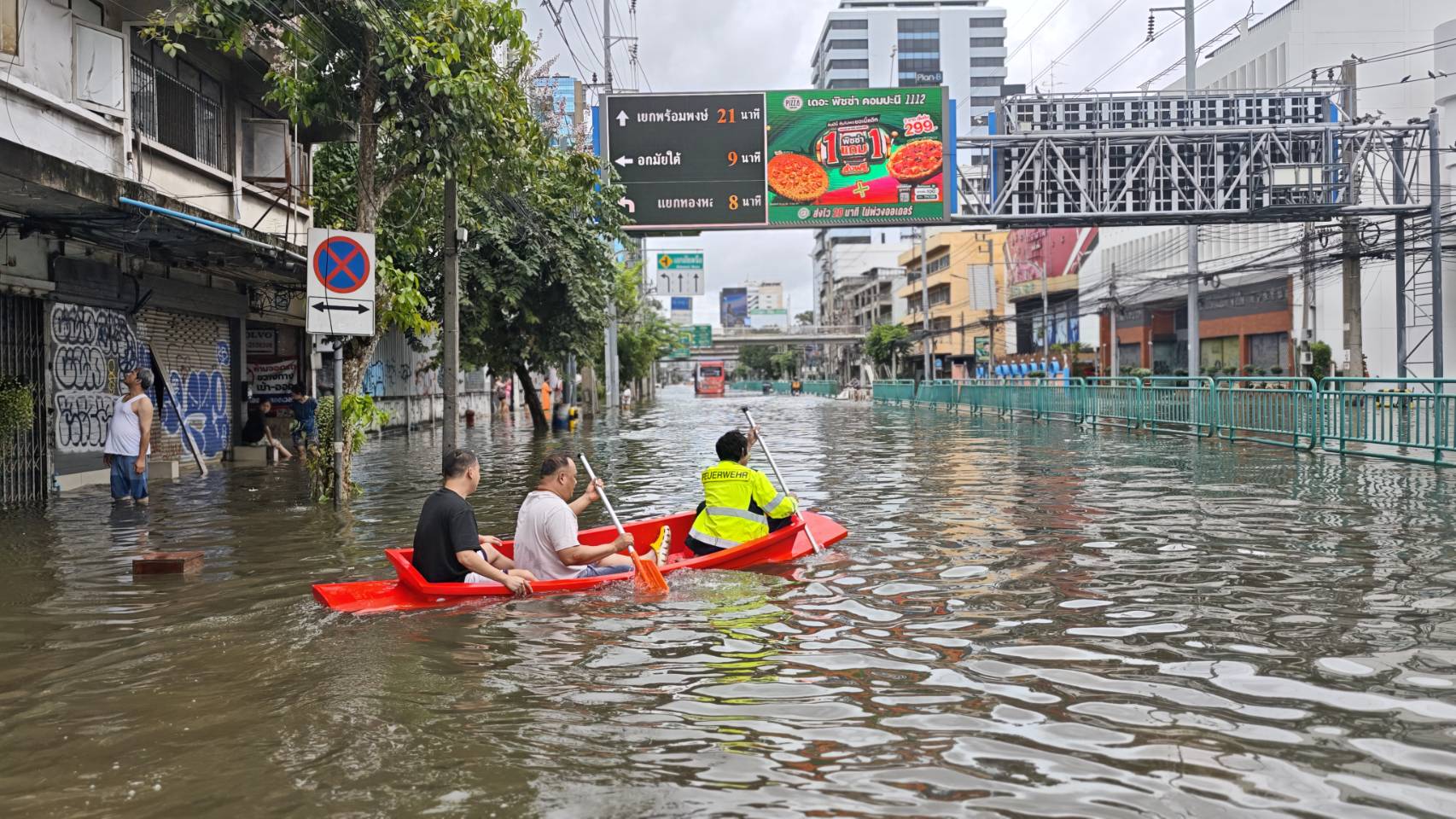
(Photo: Jetjaras Na Ranong)
After coming into contact with floodwater, people should wash their feet with soap, dry them thoroughly and keep any wounds clean.
Anyone who develops a high fever after wading through or being exposed to floodwater — particularly with severe muscle or calf pain, red or yellow eyes, severe diarrhoea, swollen or pus-filled wounds, or difficulty breathing, are advised to seek medical attention as soon as possible.
Source – Bangkok News