
How to Keep Hope Alive (and Vote!)
The world feels hard right now. The headlines are relentless, and it can feel impossible to catch your breath before the next challenge presents itself. I’ve noticed a collective sense of overwhelm, and I bet you have, too. But we must keep hope alive and invest in the idea of a better, stable, more fair future. We must. The question becomes: how?
For inspiration, I asked seven friends, writers, and activists how they’re staying energized and keeping hope alive during a very consequential election. Mostly, I hope you’ll be motivated to go vote today. If you don’t know your polling place, you can find it here.
“I harness my sheer, unbridled rage.”
“My strategy for dealing with the moment is to experience rage until I can barely eat, stand, or breathe. I listen to the ACLU, read the political coverage in the New York Times, and follow right-wing accounts to see what the other side is saying. Then I channel that full-body adrenaline into action. I’ll write a newsletter issue. I’ll make a sign and show up at a protest, usually with my children. I’ve even testified before Congress. Since solidarity is power, I’ve joined collectives like the Committee for the First Amendment, Authors Against Book Bans, and Gloria Steinem’s Ms. Foundation for Women. I am one of those starry-eyed rubes who believes in grassroots organizing, and I believe the only thing standing between the progressive majority and tyranny in this country is apathy. So, my advice is: Stay mad and do something.” — Bess Kalb, comedy writer and author of The Grudge Report
“I’m motivated to set an example for my kids.”
“I’m motivated to get involved not just to help the world, but to set an example for my kids. I want them to see me trying — calling my representatives, writing postcards, and going to protests and rallies. I also volunteered to join our community board in New York City. It was a pretty easy process — submit an application through the borough president’s office and then be interviewed by a screening panel. The work can feel either small, like considering if a ‘no parking’ sign should be moved; or large, like fighting a developer’s push to build a casino. But every impact can be measured and felt. I’m proud that I’m helping make my community a little better for my kids and our neighbors.” — Kate Kennedy, member of Manhattan Community Board 6
“I look for the people who are meeting the moment.”
“You can throw a dart anywhere on the map, and you’ll find people who are doing good, who are working to counter the horrors with wisdom and care. They’re out there, those people. And not just in an overly simplified ‘look for the helpers’ way. In every community, there is somebody with a sophisticated analysis of power working their tail off to improve their neighbors’ lives. They frequently feel burned out and discouraged, but they’re there. You just have to ask people, ‘Who inspires you?’ or ‘I’m really pissed off about _______, is anybody working on that?’ You may have to ask around, but it works. And you know what? People who are doing this work often want a hand. Doomscrolling and lamenting the state of things may be a solitary act, but helping and celebrating others is not. One breeds despair, the other breeds optimism.” — Garrett Bucks, author of The White Pages and founder of The Interdependence Relay
“I focus on an issue close to my heart.”
“While on tour for my most recent novel, I’ve used my platform to talk about an issue I feel passionate about: book bans. As the fourth most-banned author in America for the second year in a row, I have a lot to say on the matter. I give a history of how and why bans have increased by 1100% since 2020. And it’s not just regionally focused in states like Texas or Florida, as some might believe. Instead, it’s a national issue: there are currently bills in front of Congress that would have severe implications for public school libraries across America, including eliminating funding to any public school district that has a banned book on its shelves. To make matters worse, the person deciding whether a title is objectionable is not a teacher or a librarian…but a government official. I encourage people to contact their reps and vote ‘no’ on these bills.” — Jodi Picoult, author of Hollow Bones
“I use my job to support change agents.”
“Writers are the vital witnesses and storytellers of our changing world. As a publisher, I founded Legacy Lit, a division at Hachette, in 2020 to champion uplifting BIPOC voices. I recently published Colin Kaepernick’s memoir, The Perilous Fight, 10 years after he first took a knee and ignited a national protest. It was an instant #1 New York Times bestseller, which speaks to the fact that readers remain hungry for these stories. To me, it’s a hopeful sign that there are still voices that are speaking truth to power. This is something that everyone can do: read and share articles, books, essays, and documentaries about making change. We can use all of our platforms, like social media, and our networks, like church or school, to amplify the people and ideas that promote progress, social justice and human rights.” — Krishan Trotman, publisher of Legacy Lit and author of Black, Black Bird
“I try to help my community in ways I love.”
“Being chronically online doesn’t mean being civically engaged. We need people who see a need in their community and fill it however they can. Do you make art? Try flyer-ing your neighborhood about important city council updates or upcoming referendums. Do you love being outside? Find out what’s happening in your city’s Parks and Rec office. Do you have a Costco membership? If you can afford it, buy extras of what’s on sale and donate to local pantries or community fridges. Do you know how to garden? Lend your skills to the local community garden. It all seems simple. But we need local, resilient communities with people who take care of each other in joyful, sustainable ways. It’s up to us to create the world we want to live in. Ask yourself what you want to see around you and build that. And, of course, join your local political party because the primaries shape the future of the party. And we need political power for the big stuff.” — Emily Miller, co-founder of Pink Poster Club
“I remember the good.”
“When I feel like everything is backsliding and I’m afraid or glum, one thing that’s helpful is to look at things that are genuinely better now than they were even a year ago. Like women’s basketball! The WNBA gives me hope. When they play next season, try to go to a game. You’ll find yourself in a sea of badasses, and it will feel like community or communion or whatever is the best thing. Also, now is the time to take care of our neighbors in all the old-fashioned ways. Bring food to the unwell, drag in the trash cans of the old folks, check on everyone in a group chat. I have been super-sustained in my life by volunteering, especially at our local hospice and our local soup kitchen. I cannot recommend it enough as a cure for the sickness of spirit. Just think about your comfort zone (e.g. animals, people, food, office work), see what’s in your area, and reach out to the director or the volunteer coordinator to ask about next steps. It’s so good. And, finally, go outside at night and look up. Whatever I see clouds or moon or light from ancient stars, I end up feeling appropriately small and righted.” — Catherine Newman, author and national treasure
What would you add? Please share your ideas for staying engaged and hopeful in the comments (and if you’re struggling, please share that, too). Most of all, please remember to vote today, if you haven’t already. It’s a simple but revolutionary act of civic engagement. (You can find your polling site here.)
P.S. More Christine Pride columns, and a midterm elections explainer.
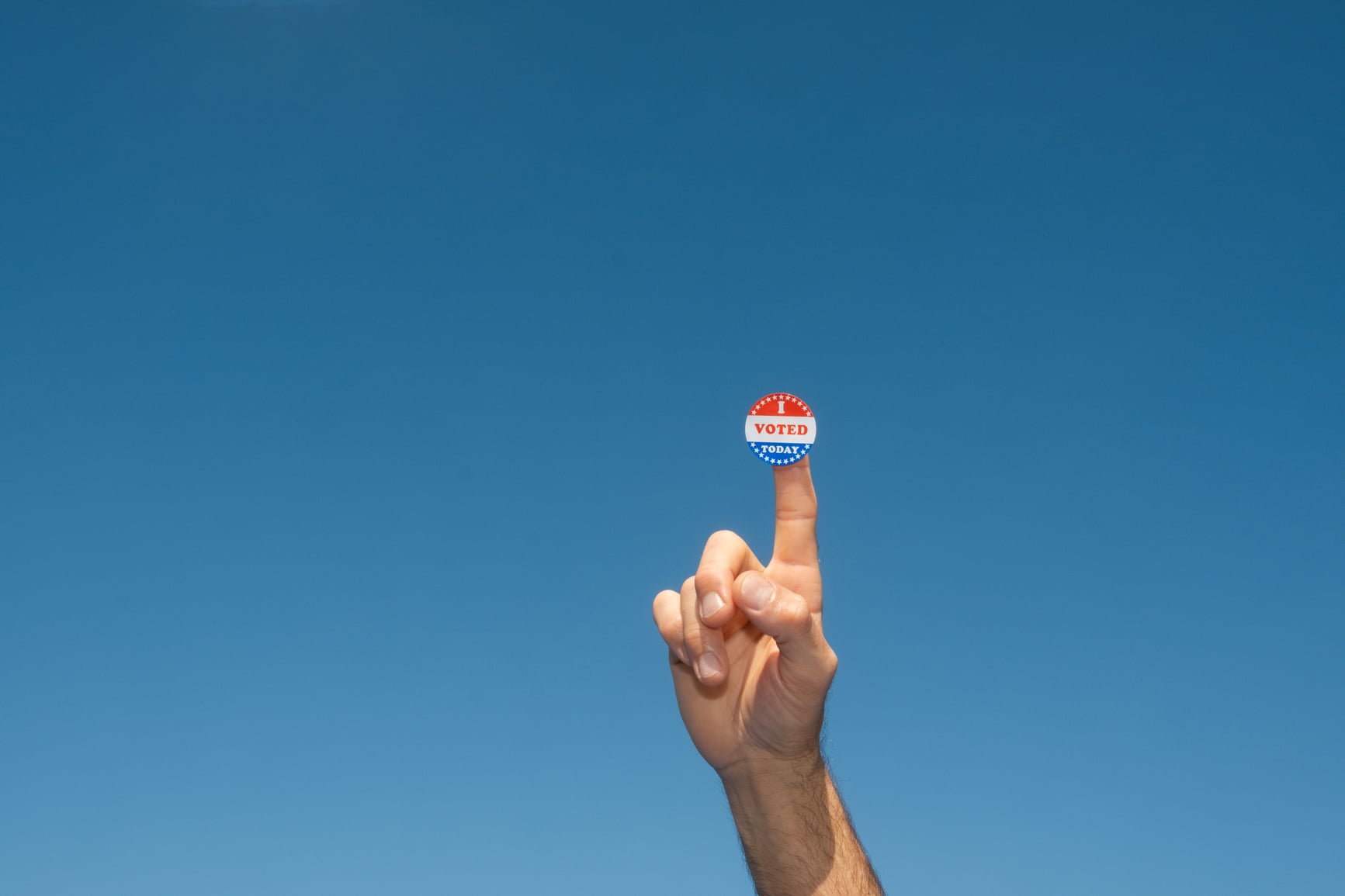
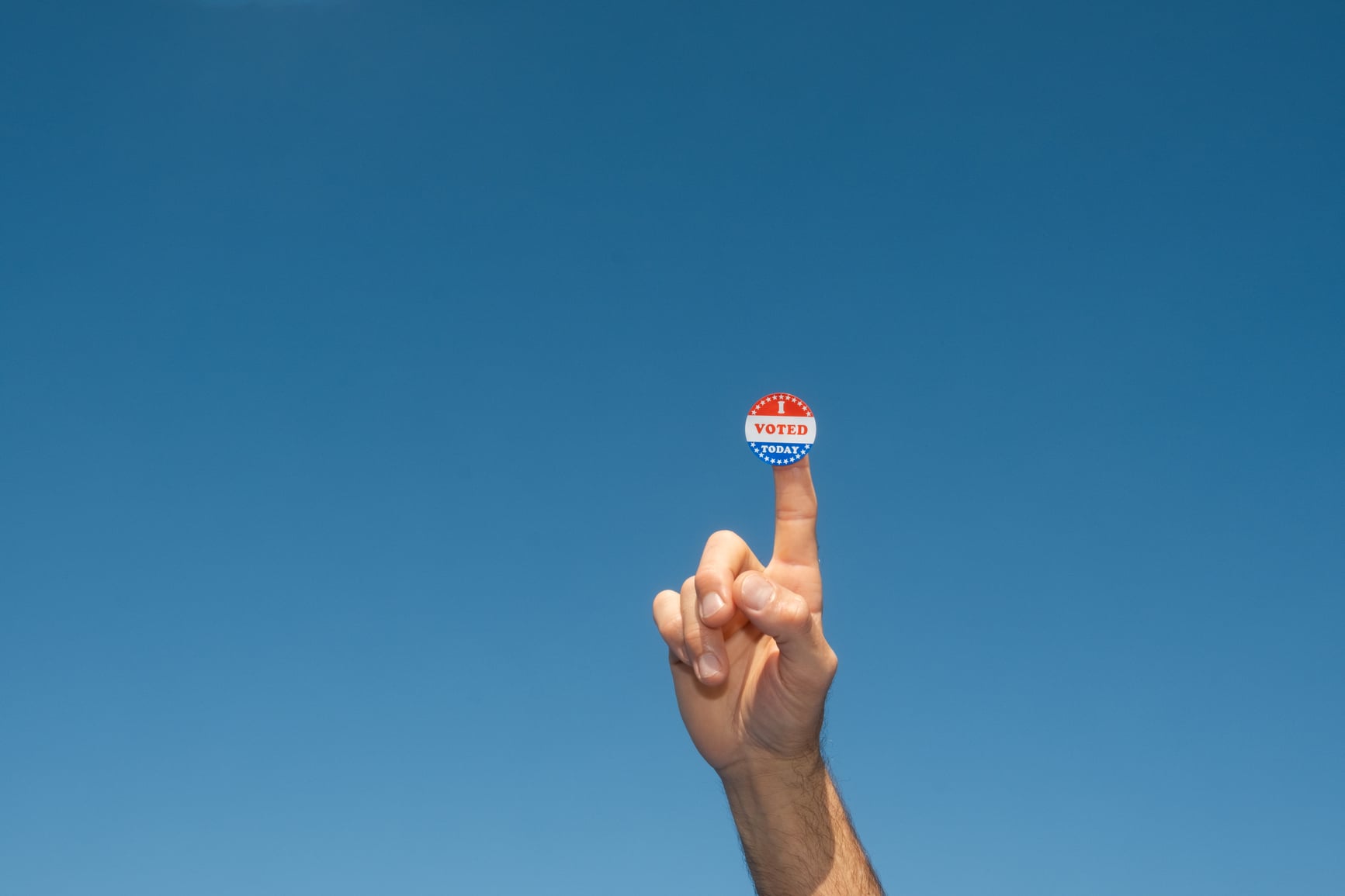
(Photo by Maryanne Gobble/Stocksy.)
Source – Cup of joy