
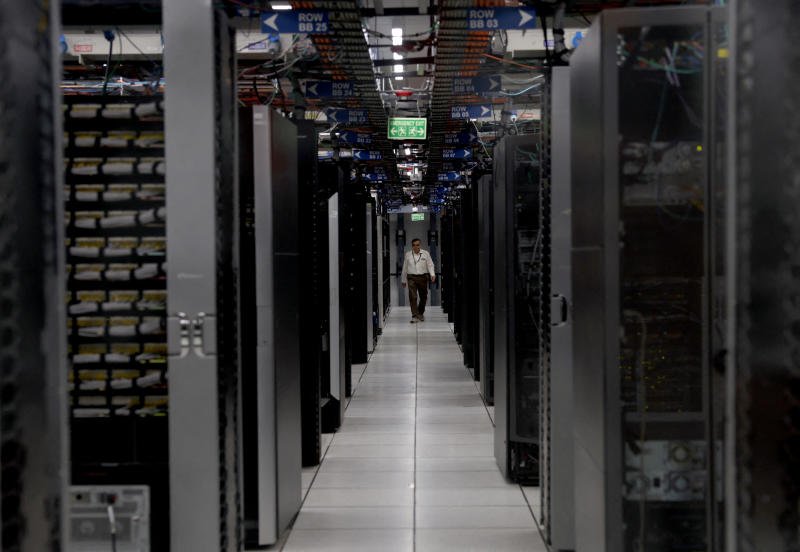
Malaysian data centres guzzle more power as temperatures soar
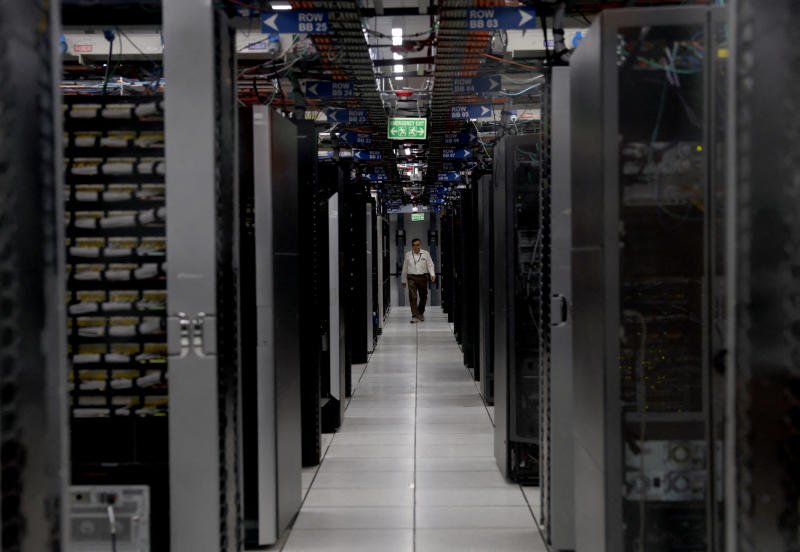
KUALA LUMPUR – Malaysia’s data centres are consuming more power as temperatures rise, leaving a nine-gigawatt gas-fired capacity gap for the government to fill by 2032, officials said on Tuesday.
The share of data centres in overall power consumption surged to a record 9.3% in the second week of August, compared with an average of 7% this year, Energy Commission CEO Siti Safinah Salleh said on Tuesday.
“With the hotter weather, the cooling system requires a lot more energy,” she said on Tuesday.
As Malaysia, the region’s fastest-growing data centre hub, gradually phases out coal-fired power, the nation of about 35 million people will have to augment its gas-fired capacity by 9 GW by 2032, the country’s economy minister Akmal Nasir said.
Malaysia plans to retire the last of its coal-fired power plants by 2044, Akmal told reporters at an Energy Commission conference.
Malaysia is attracting billions of US dollars in investments from major global tech firms including Amazon and Microsoft, leveraging its domestic gas reserves to address rising power demand this year and buck a regional decline in gas-fired generation as the Iran war chokes liquefied natural gas imports.
But with no additional gas-fired power expected to come online this year and next, Malaysia will “optimise” its current fleet to address rising demand until the end of 2027, Salleh said, without providing further details.
Salleh said the energy commission did not anticipate hot weather persisting longer than early September, which she said resulted in higher power use.
“Because of the hot weather, our hydro dams are also at very low levels,” she said.
In Thailand, power availability has become a key factor determining industrial land values, with some plots seeing prices rise by more than 50% as data centre investment accelerates, according to property consultancy.
The country’s new National Data Centre Policy Committee has also been given one month to draft nationwide rules covering power and water use, urban planning and environmental safeguards. The rules are intended to protect the public without deterring investment.
Source – Bangkok News